Day 4: From Cacabelos to Portomarín
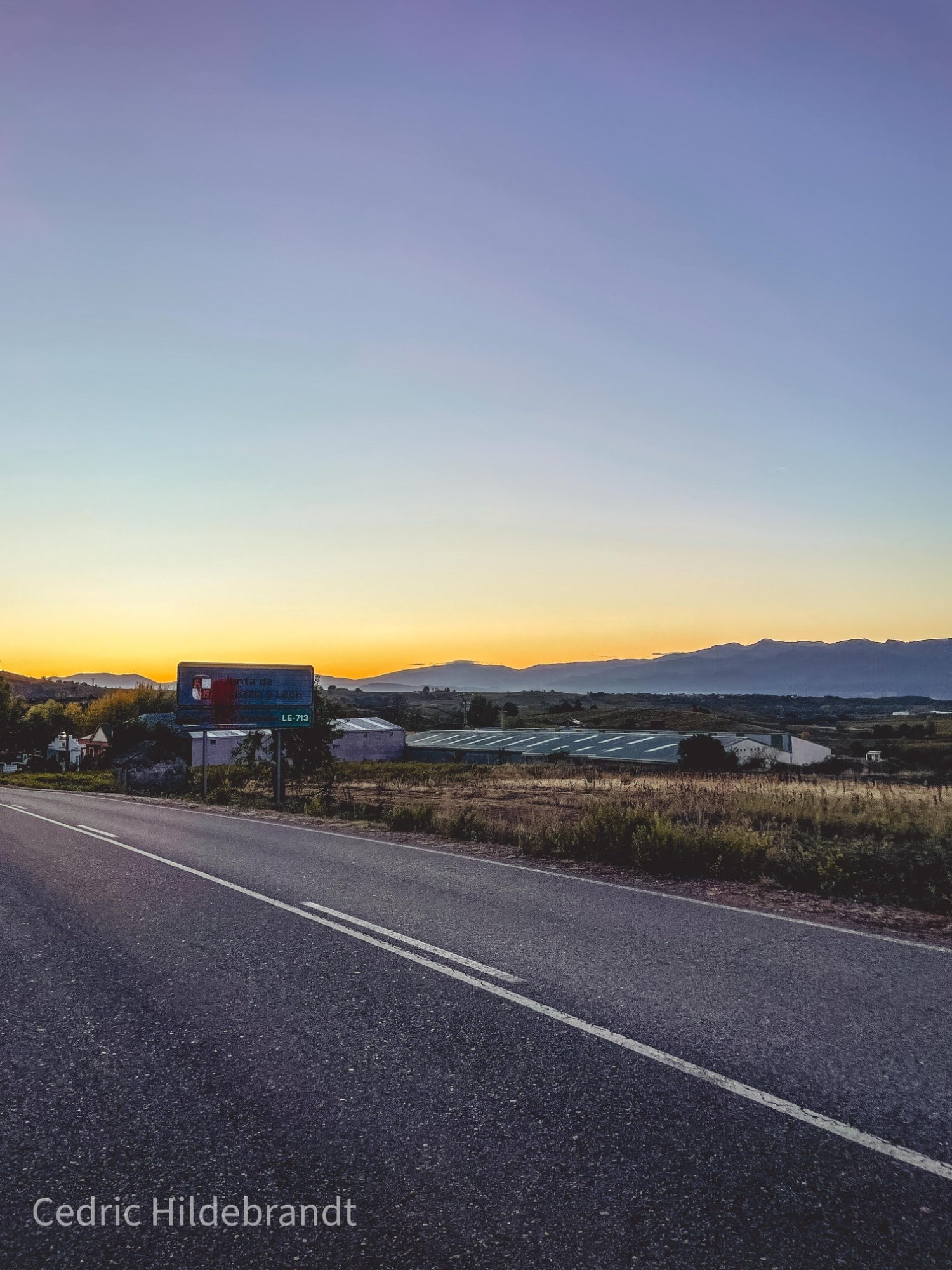
The night in the hostel was nice and warm and very restful, and it gave me enough energy for the next day. In the morning I packed all my things again, had a croissant with butter for breakfast and drank plenty of water, because the climb started right outside the door. When I left the hostel, though, a small display showed 4 degrees. And it was only 7:45 am, so still about an hour and a half until sunrise. I had put on all my warm clothes, gloves and leg warmers, and pedalled off.
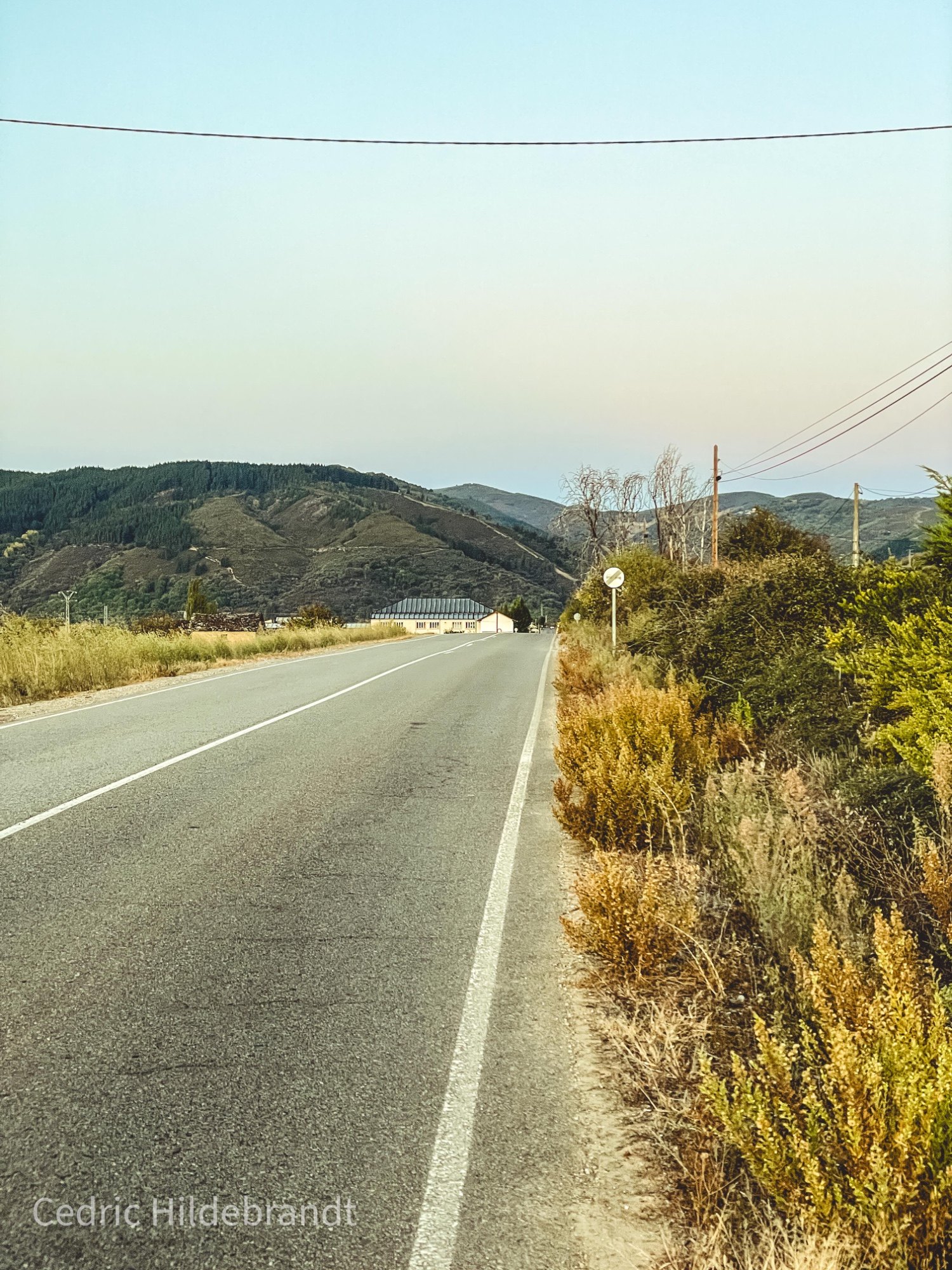
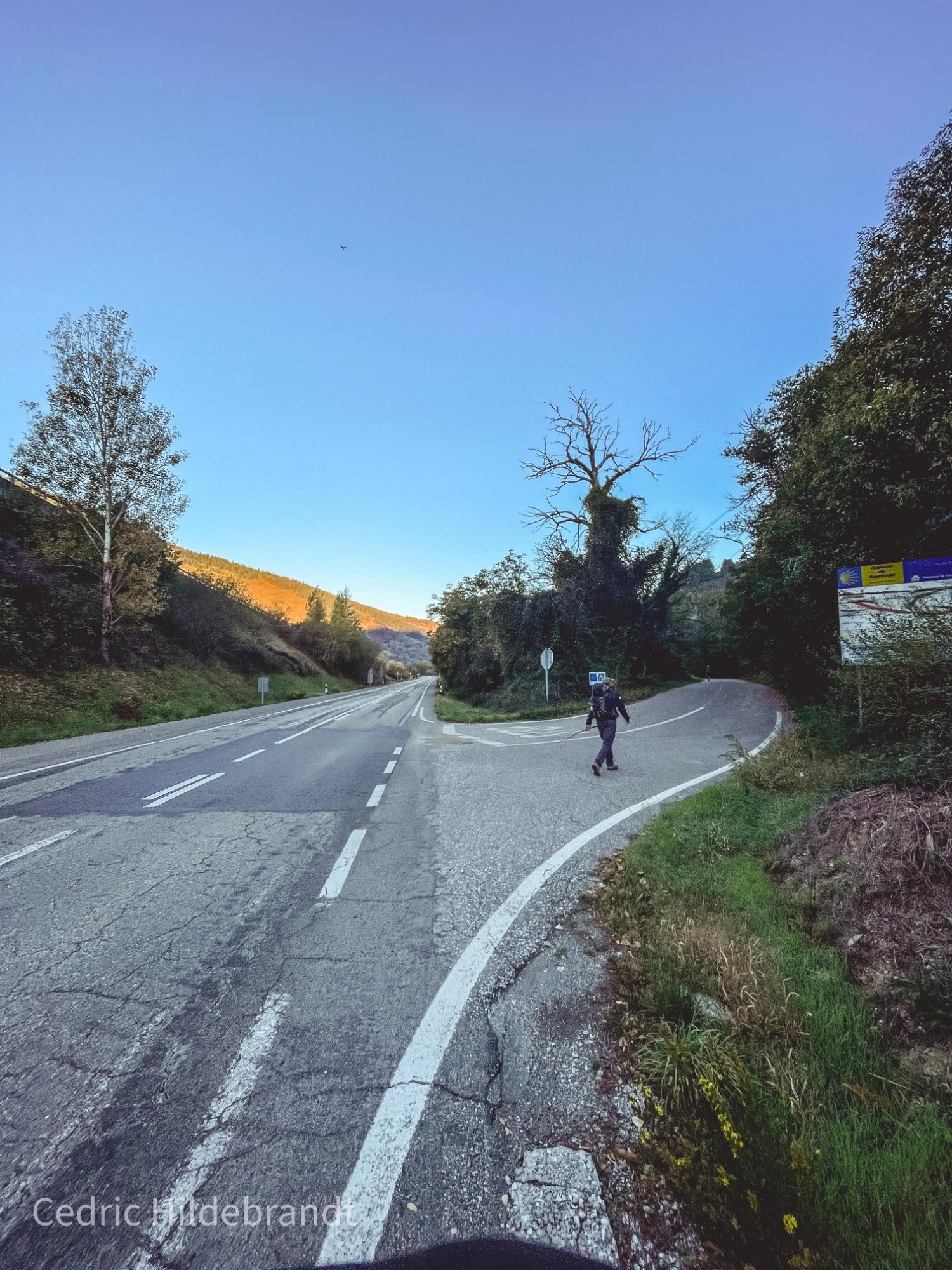
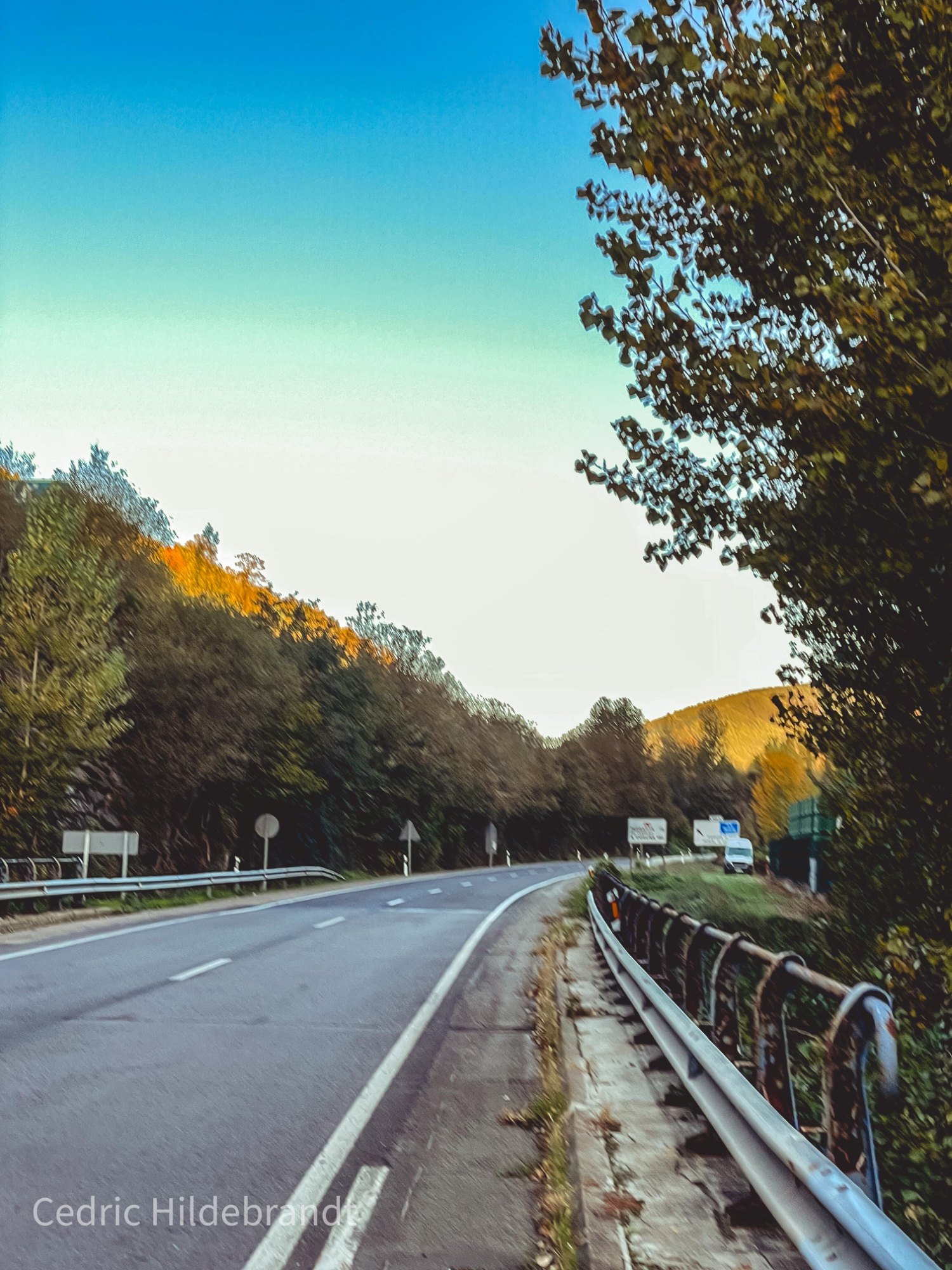
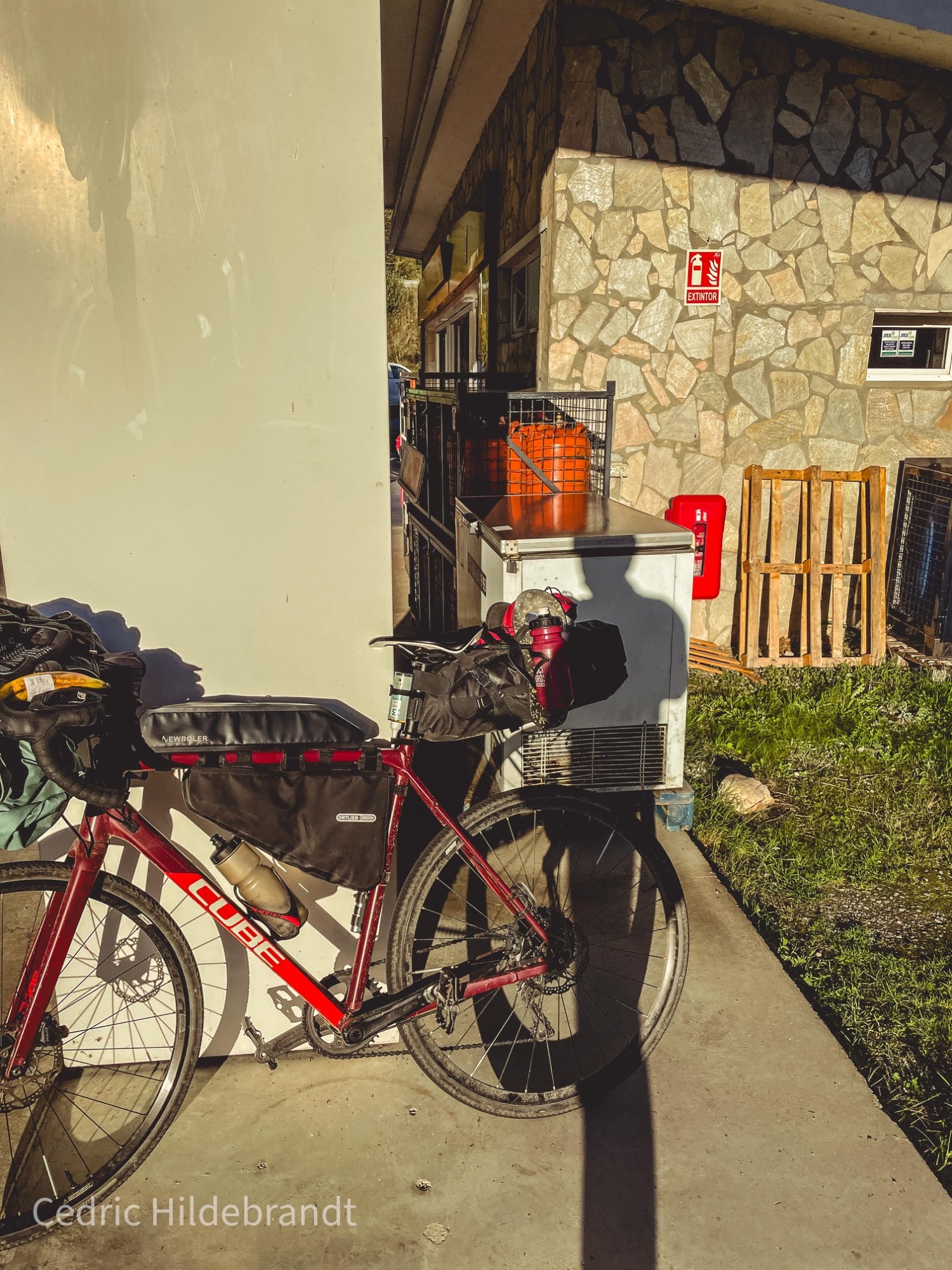
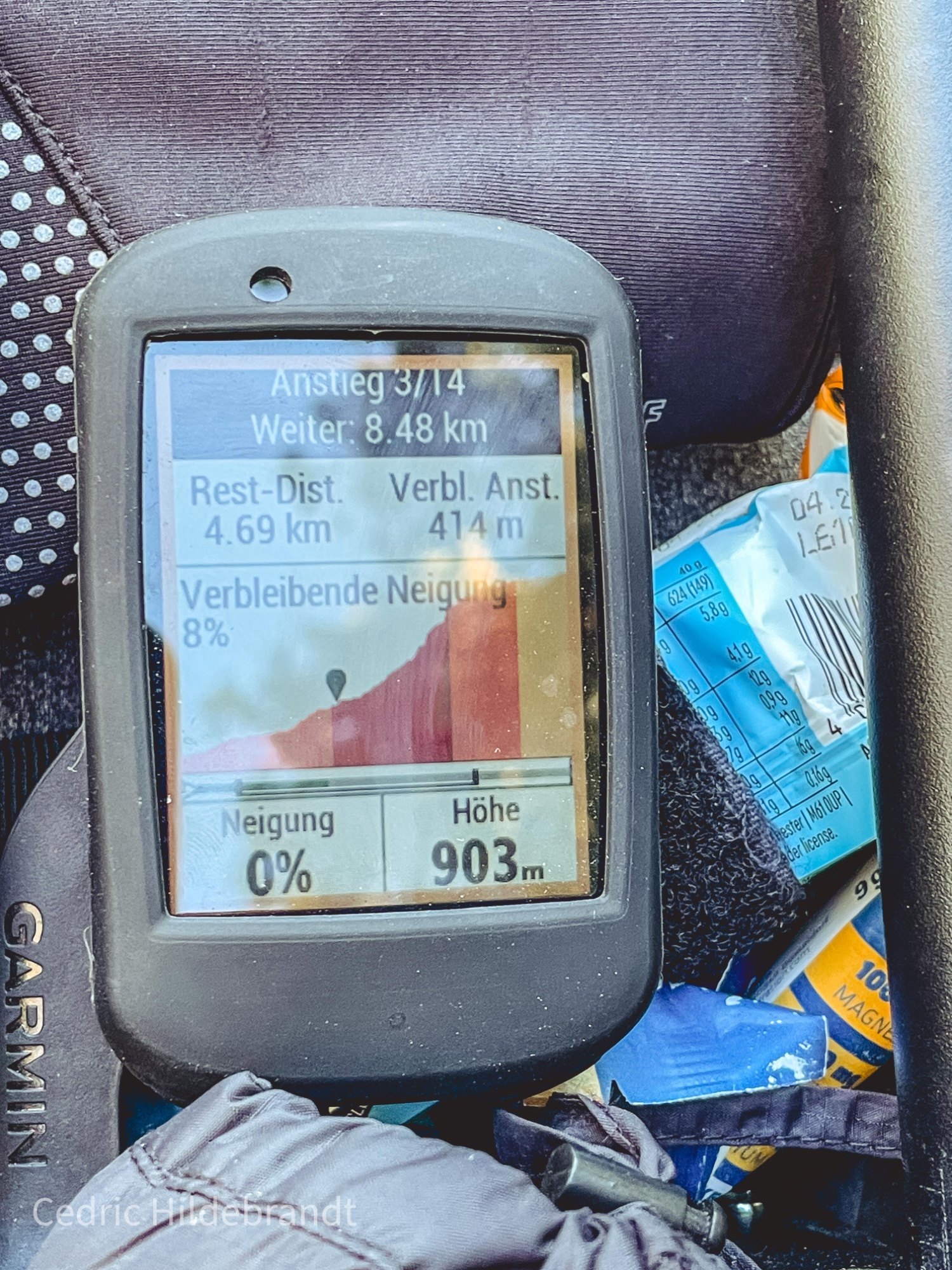
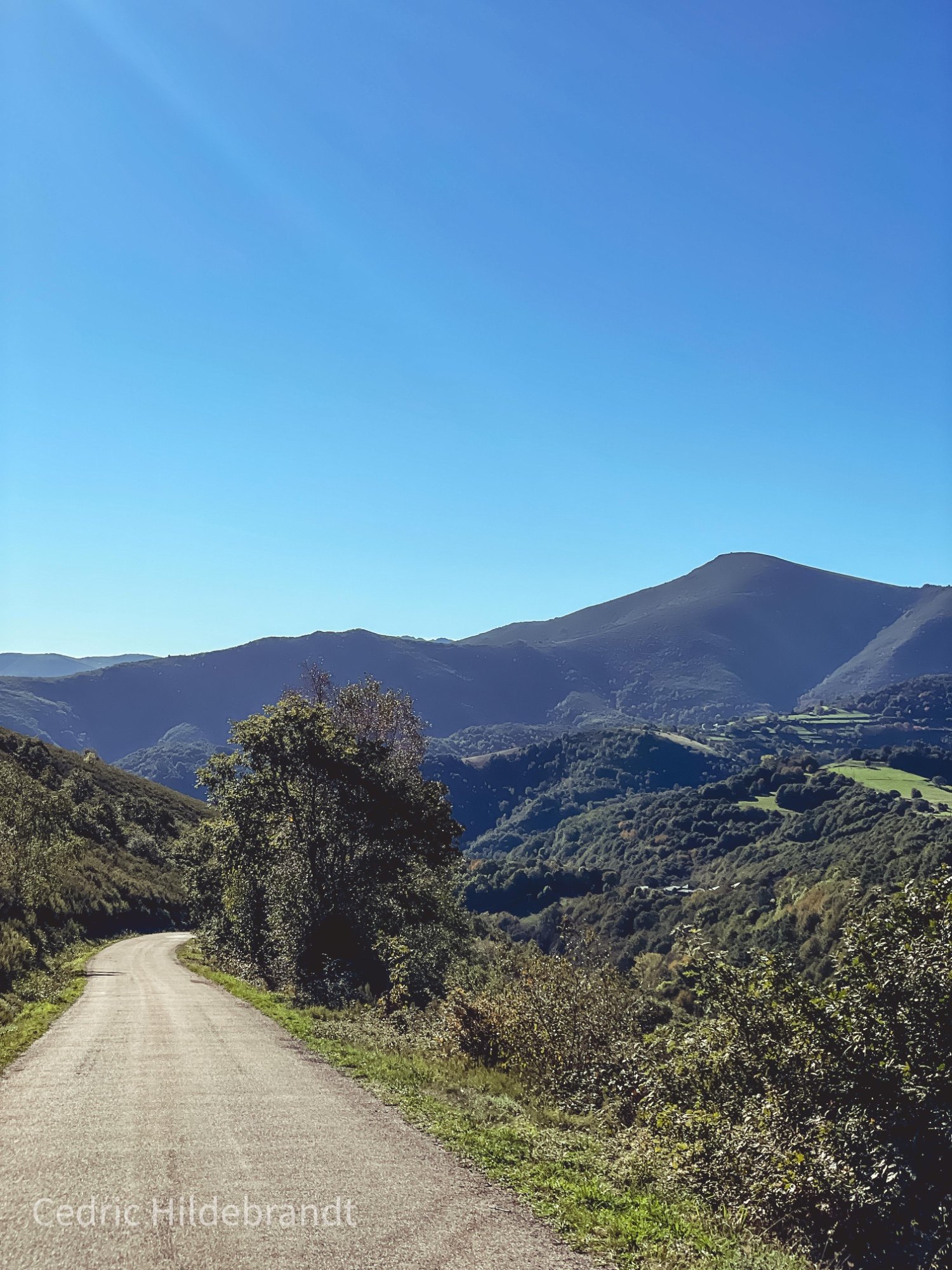
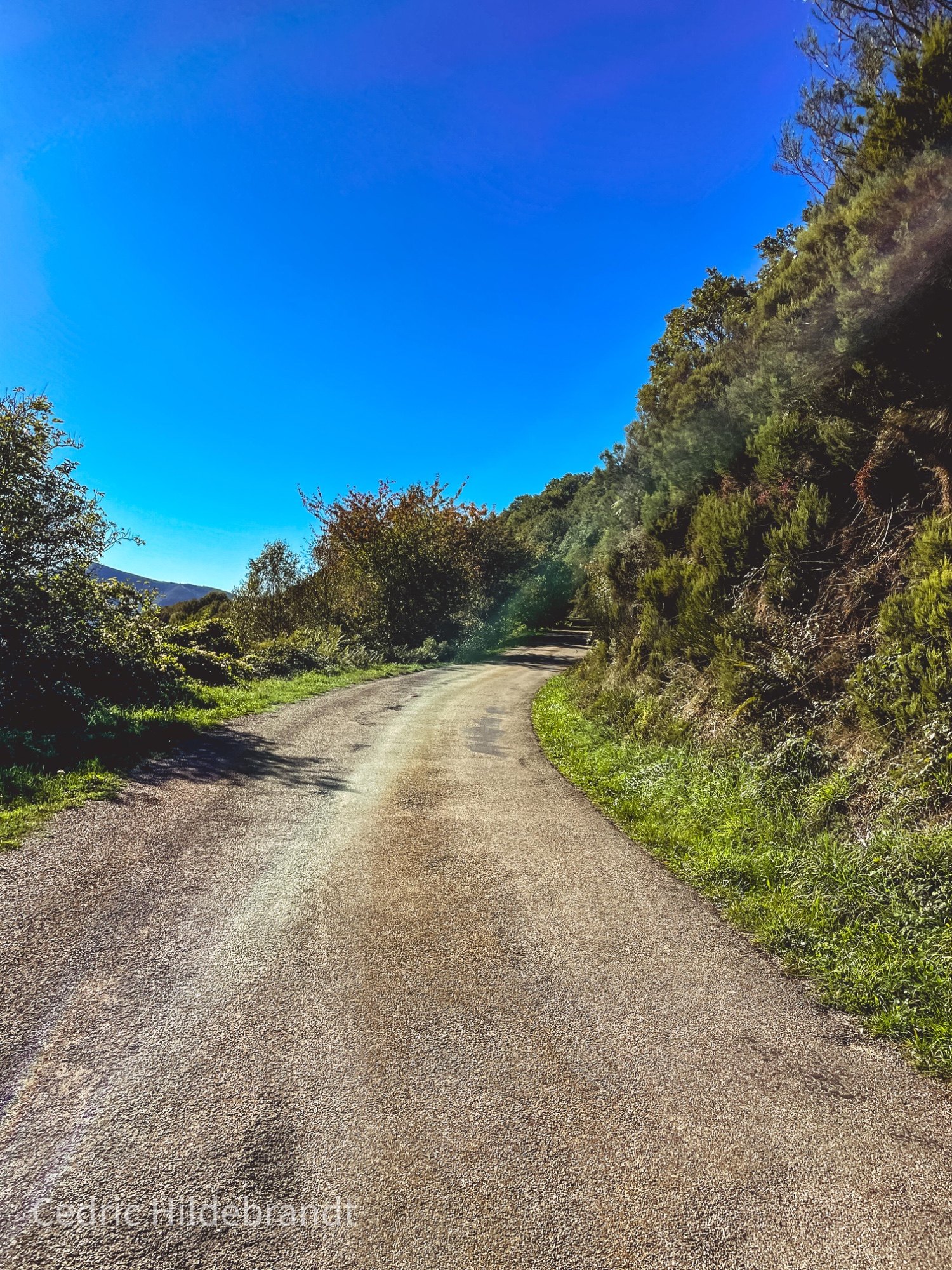
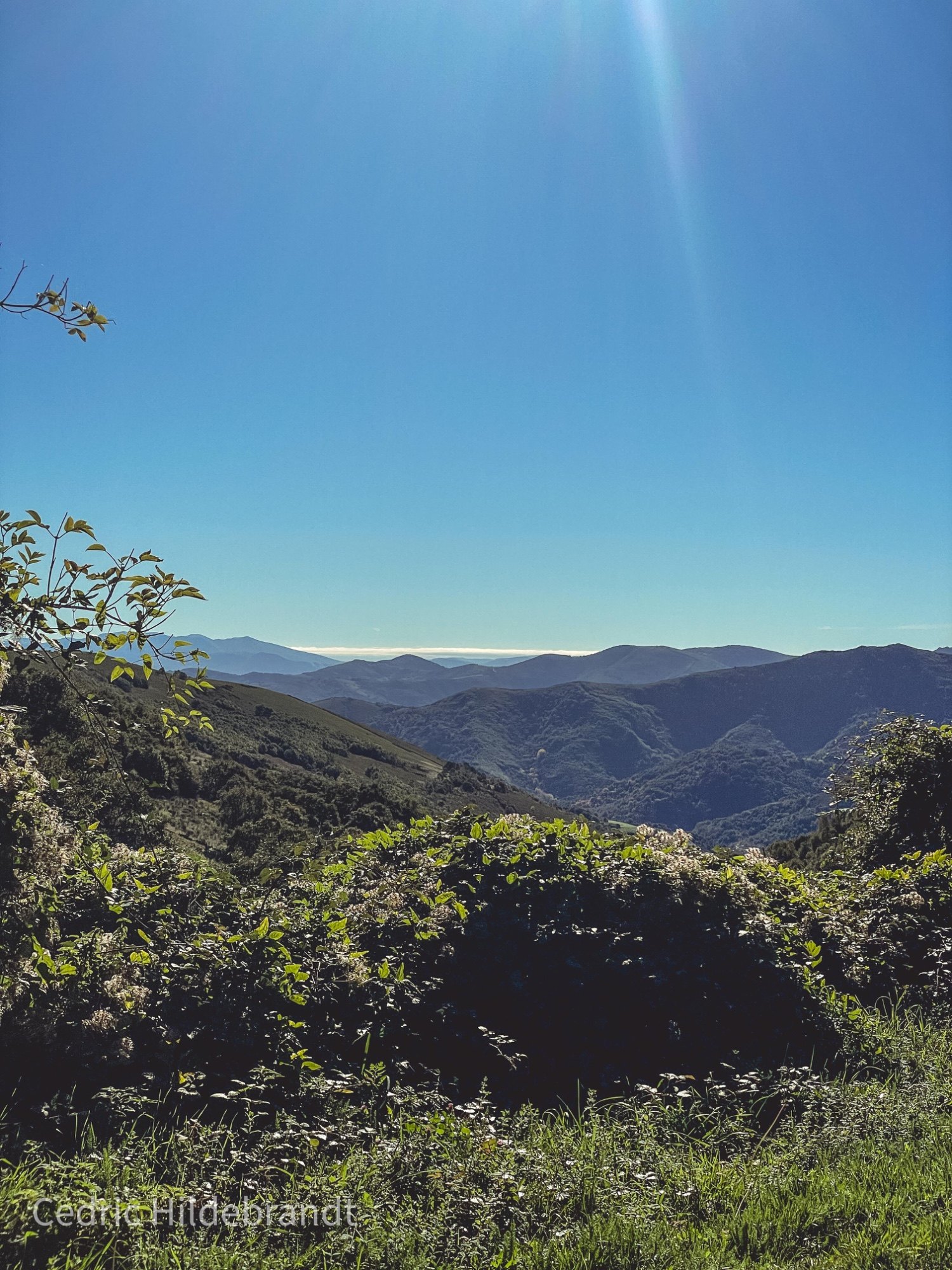
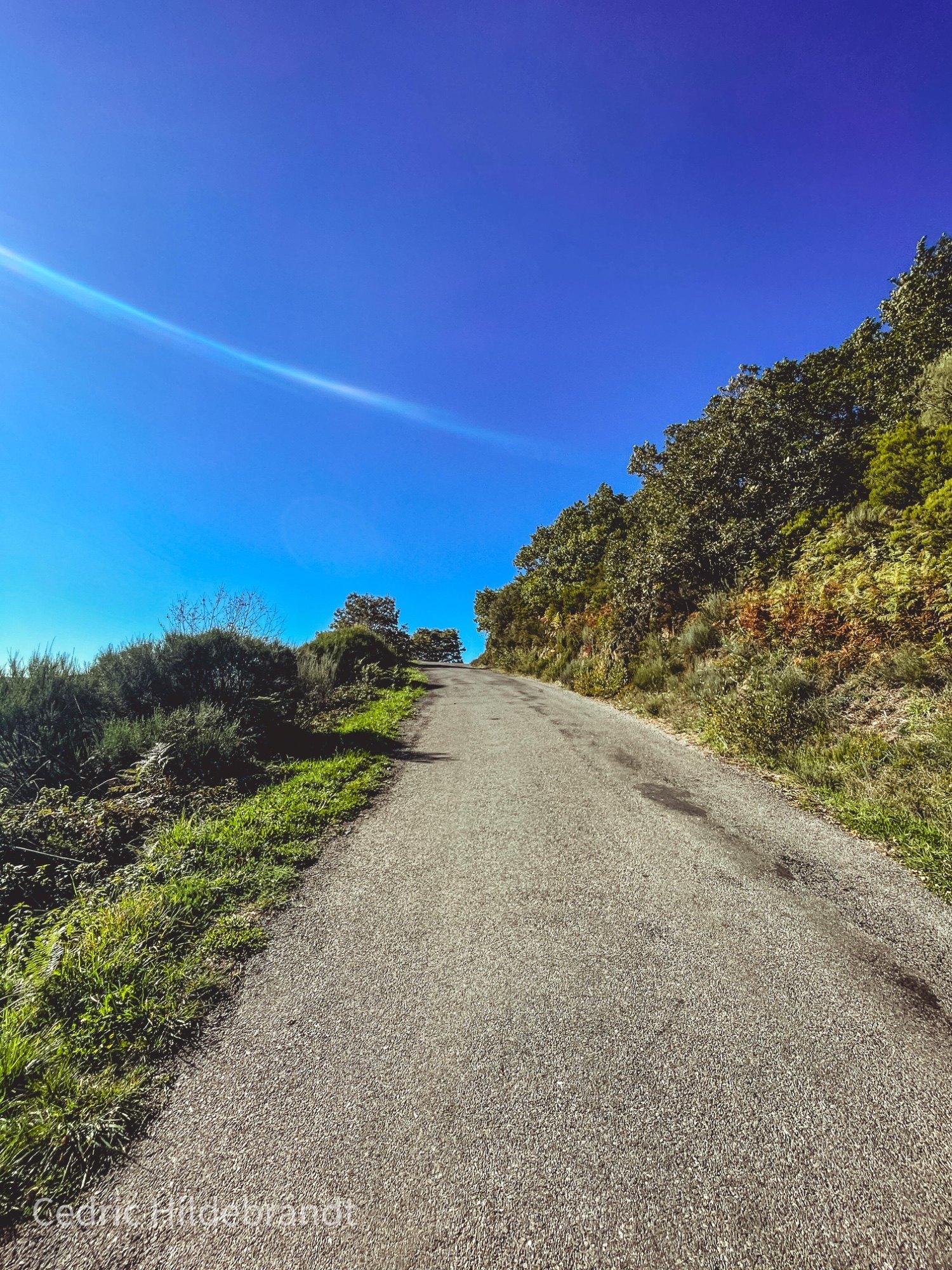
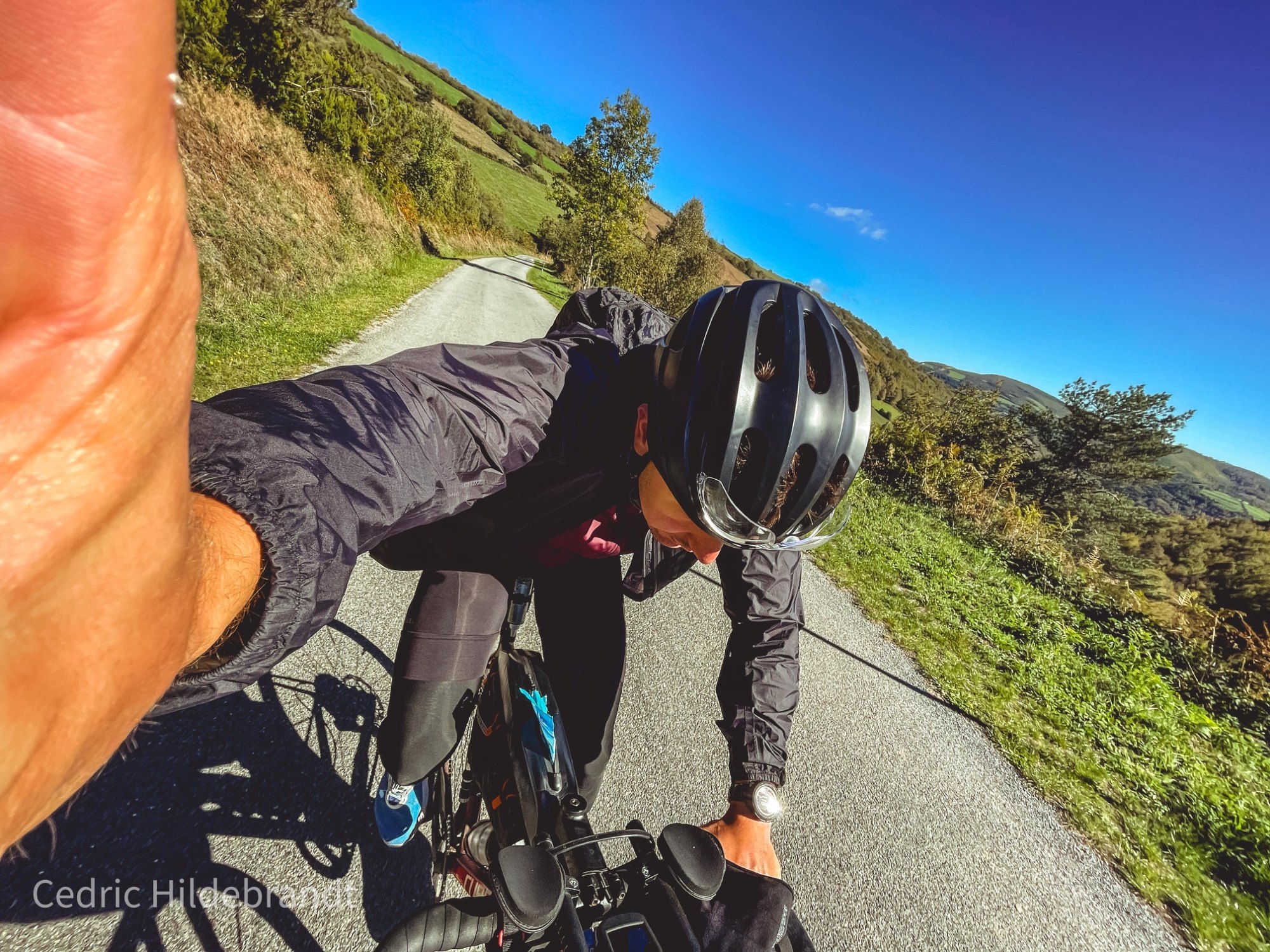
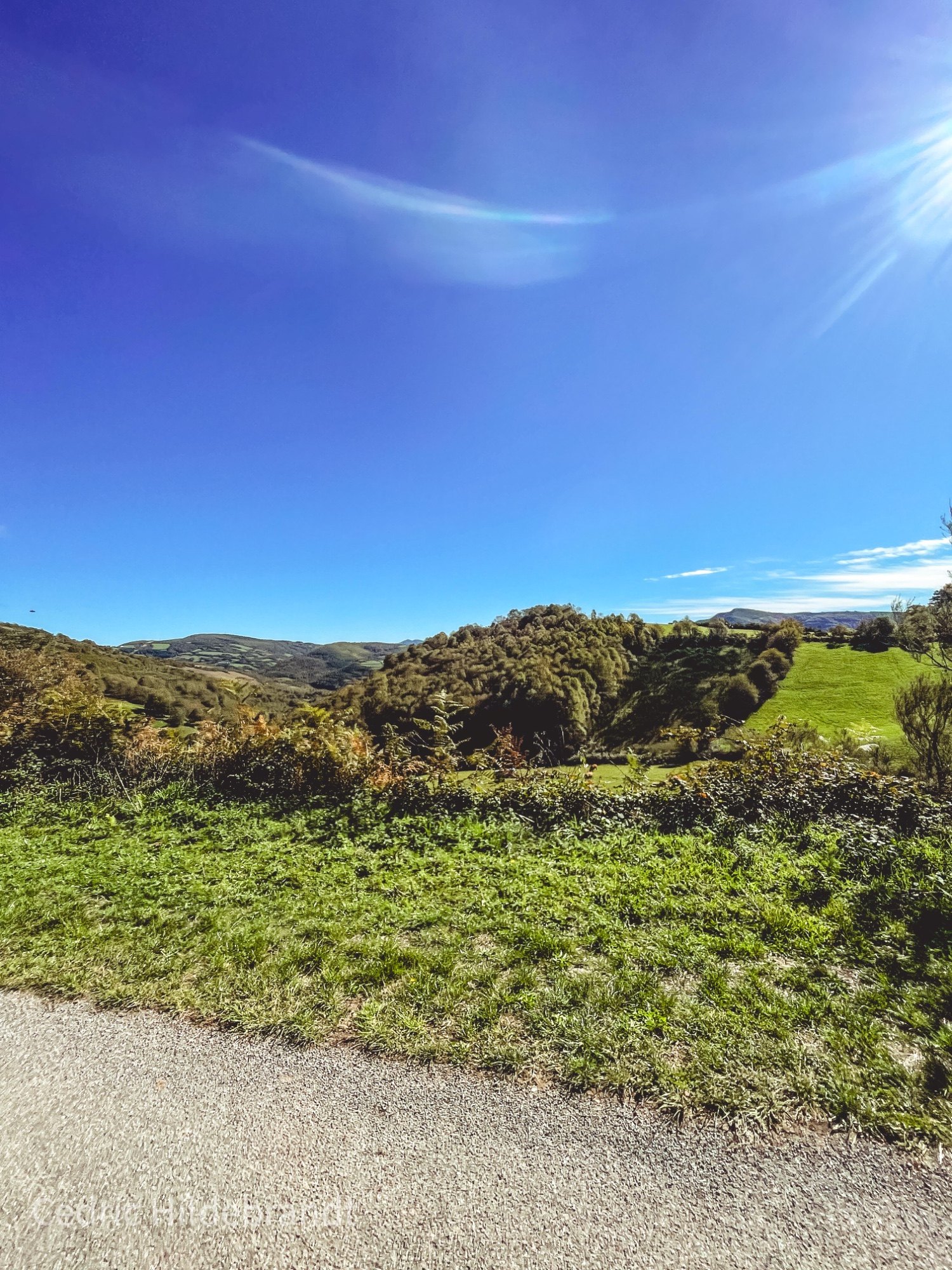
It went uphill almost the whole way, with the odd short flat or downhill stretch and then up again. I just couldn't get warm. At one point I had to stop at a petrol station because I could no longer feel my toes. I put on my rain overshoes there too, because my feet simply wouldn't warm up despite the constant climbing. After an hour and a half the sun finally started to come out slowly, and it got light. I rode along a country road that wound its way parallel to the motorway. The stretches where the sun hit the road were warm and gave me a foretaste of the day. The weather was supposed to be great, with a blue sky.
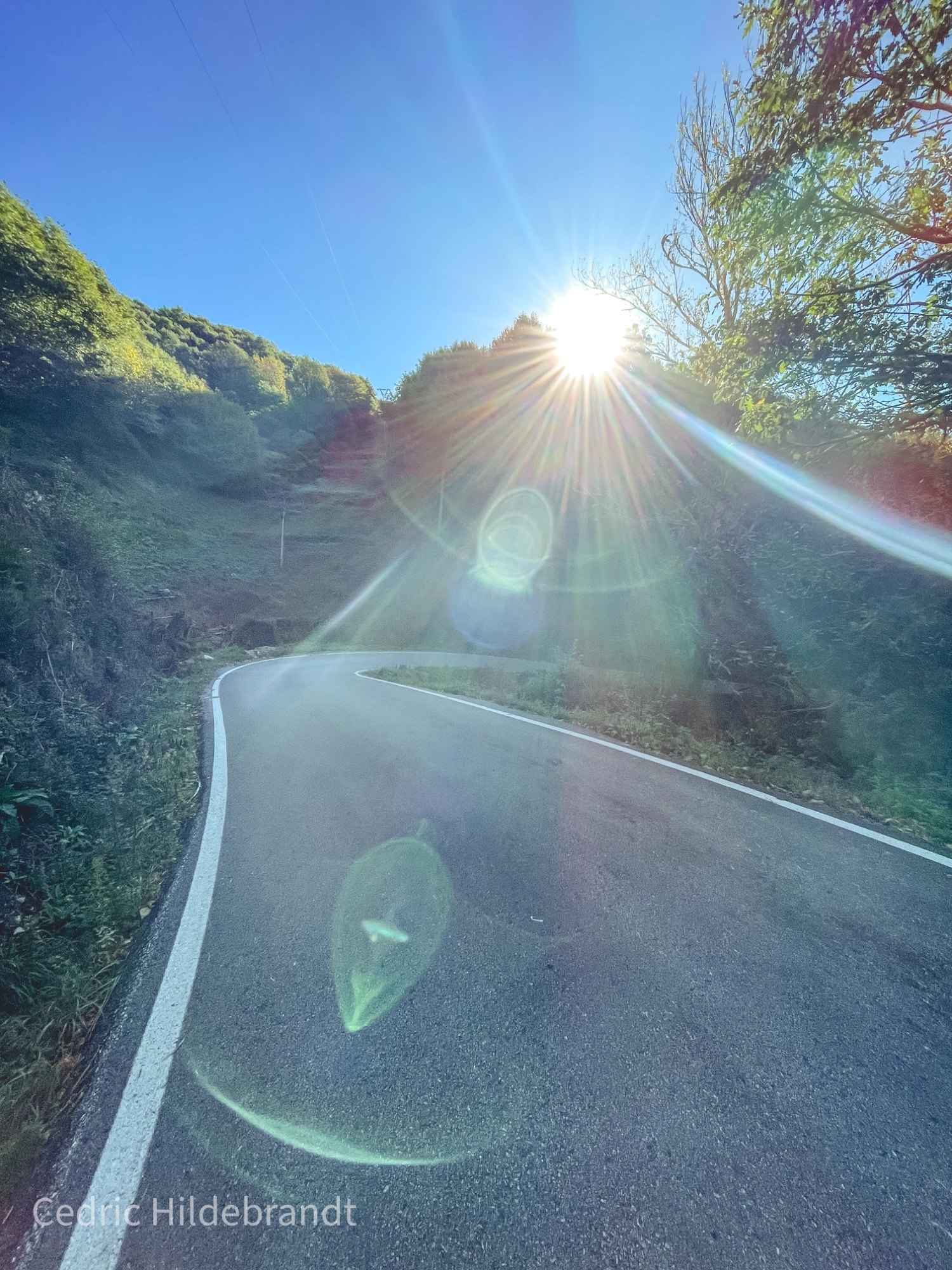
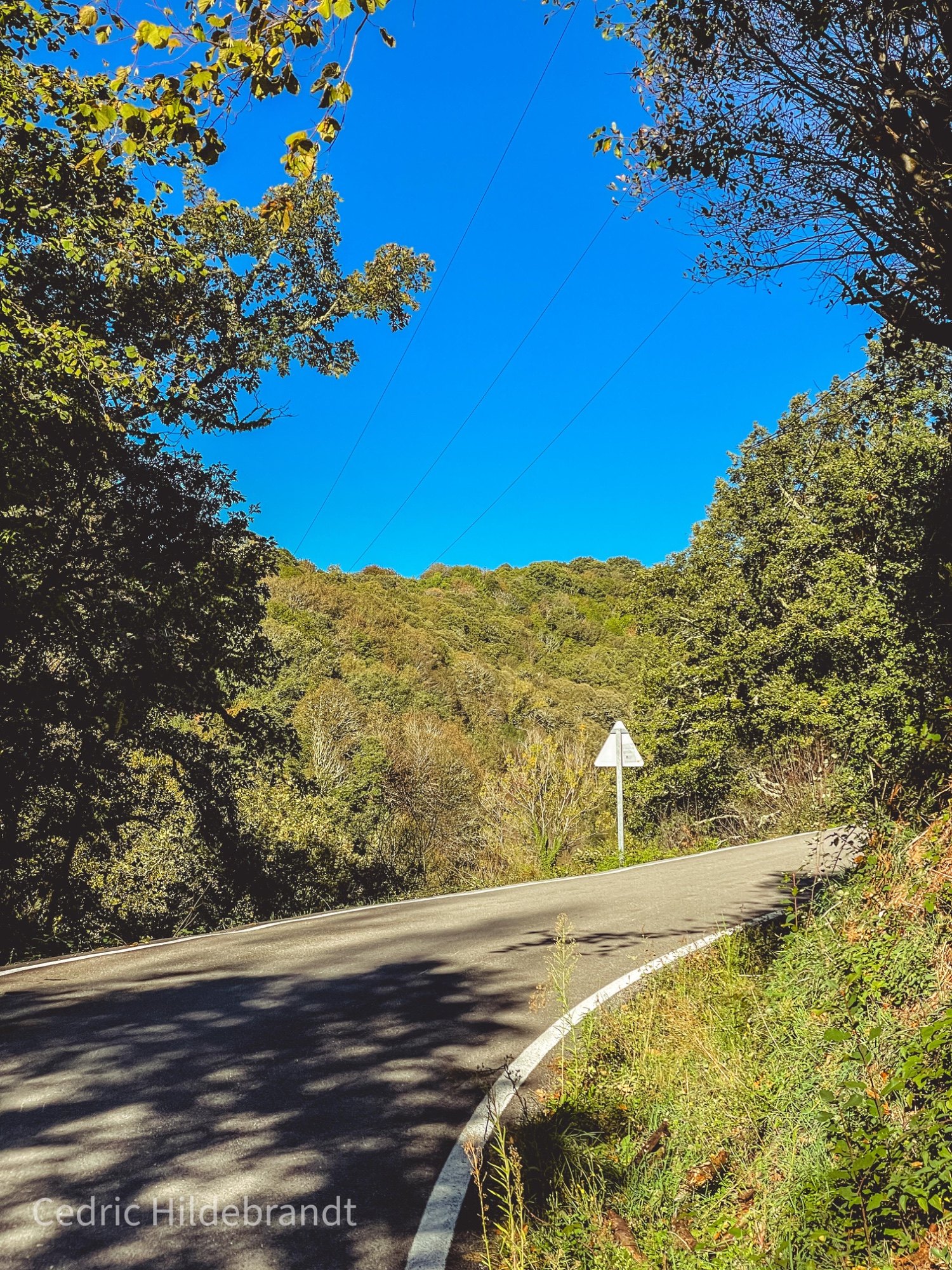
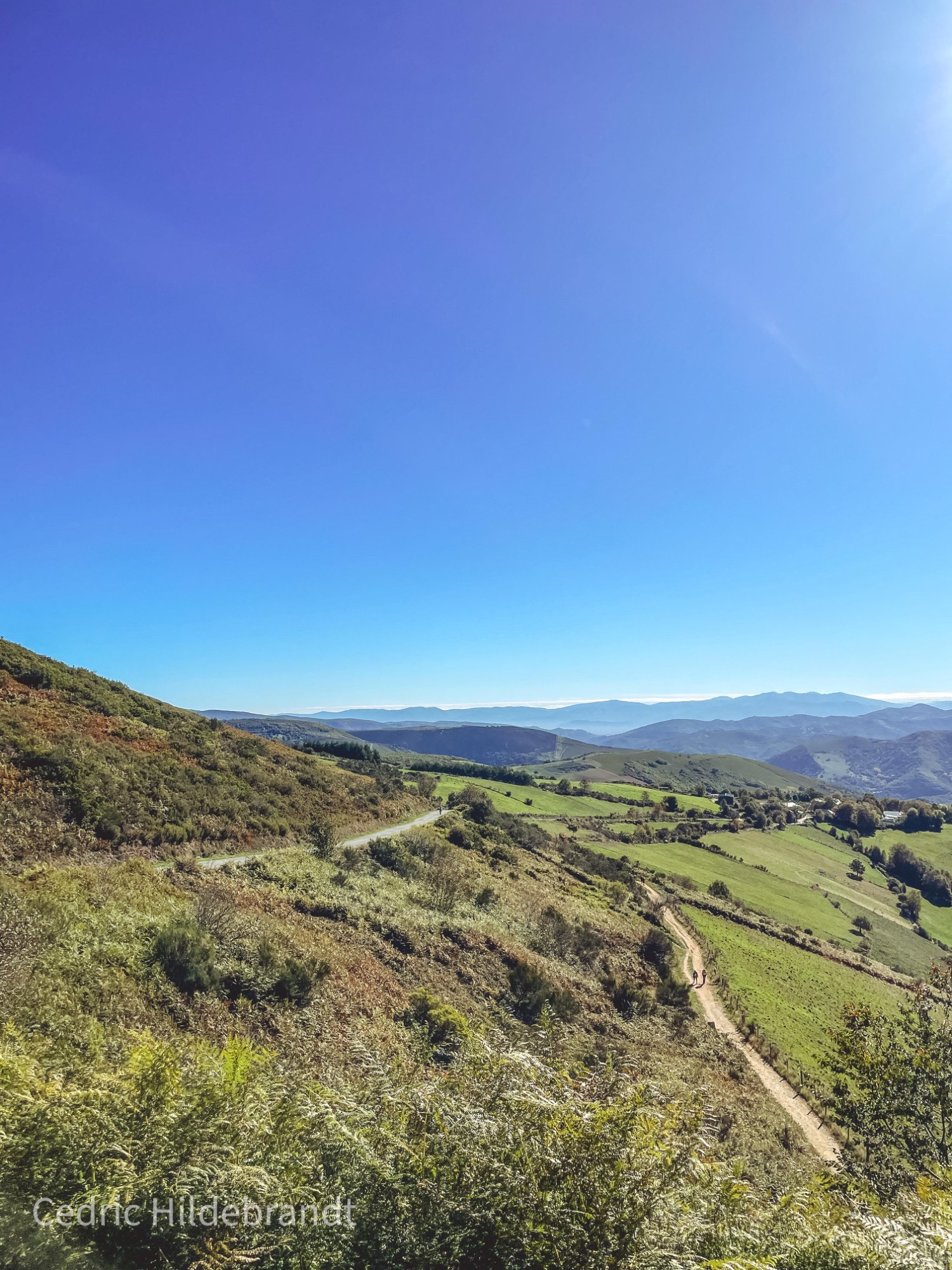
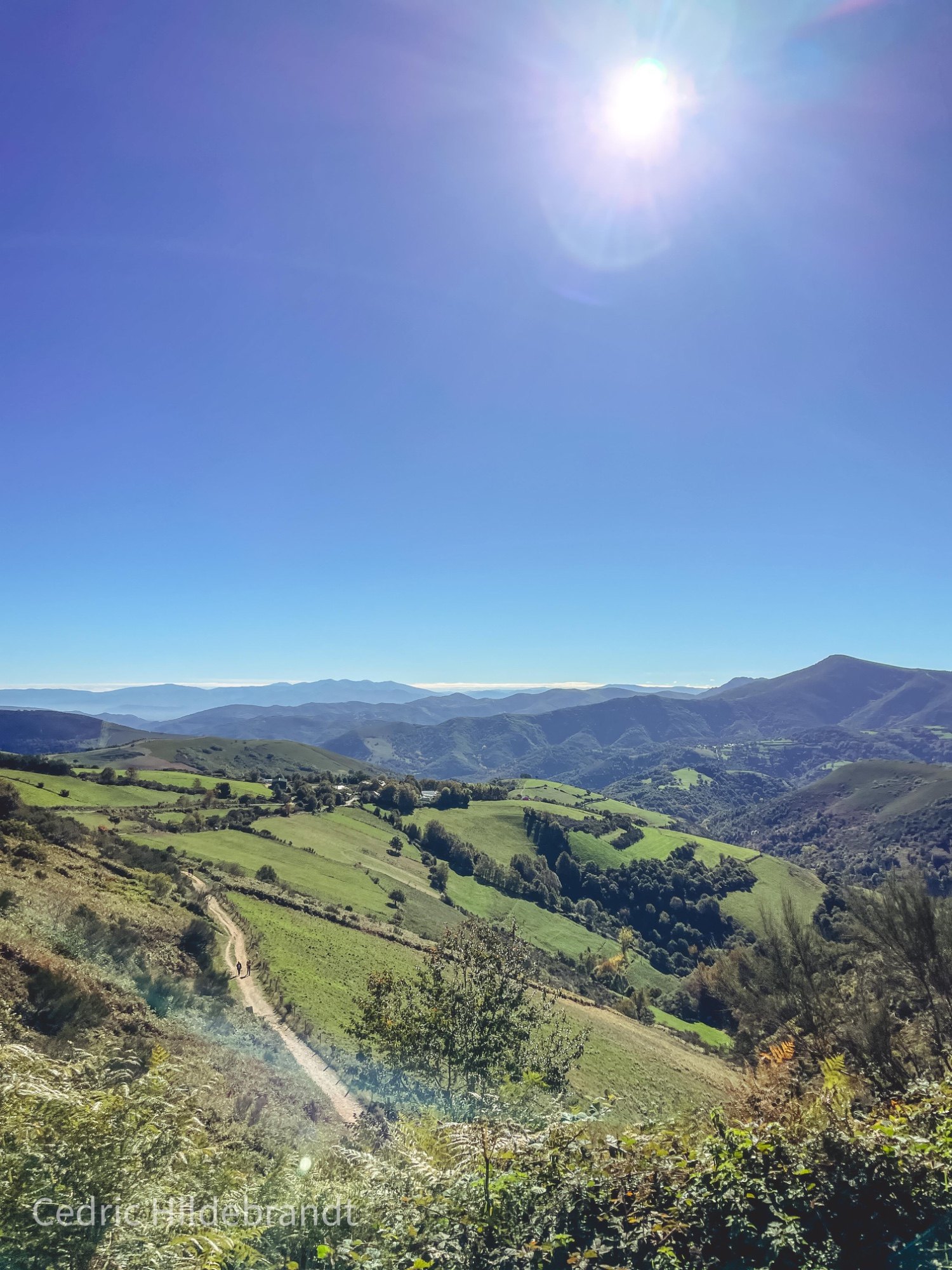
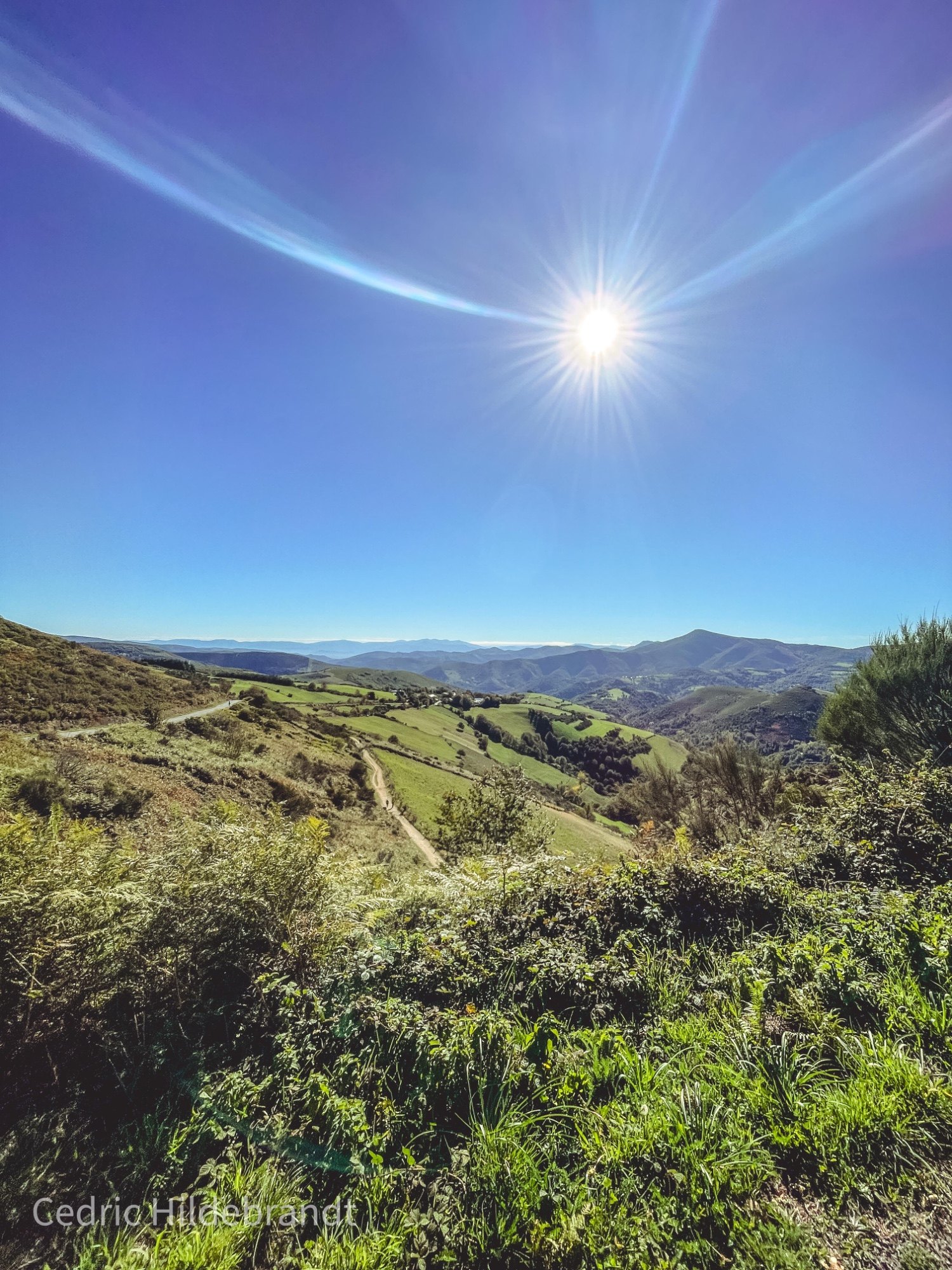
Almost endlessly, it went uphill. It felt like I rode uphill the whole day, until early afternoon. In places it was so steep that I had to push the bike with outstretched arms because I simply couldn't pedal it any more.
I also met again the cyclist I had already seen the day before. He actually wanted to get to A Coruña and had planned to set off around 3 am to make full use of the day and arrive in A Coruña in the evening. But his stomach apparently turned over during the night, so he only set off around 8, on an empty stomach. On his carbon road bike. With light luggage, he quickly pedalled away from me.
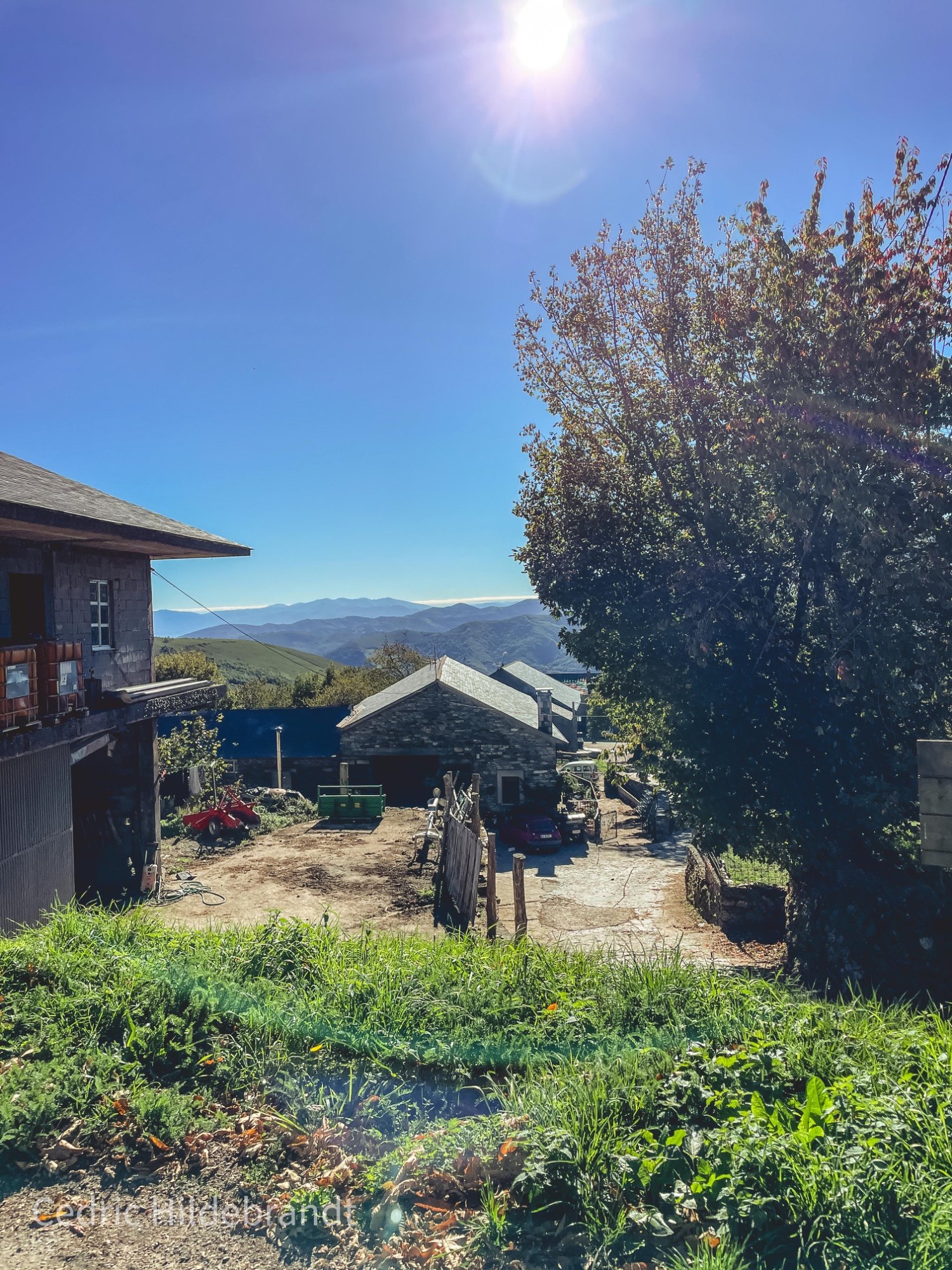
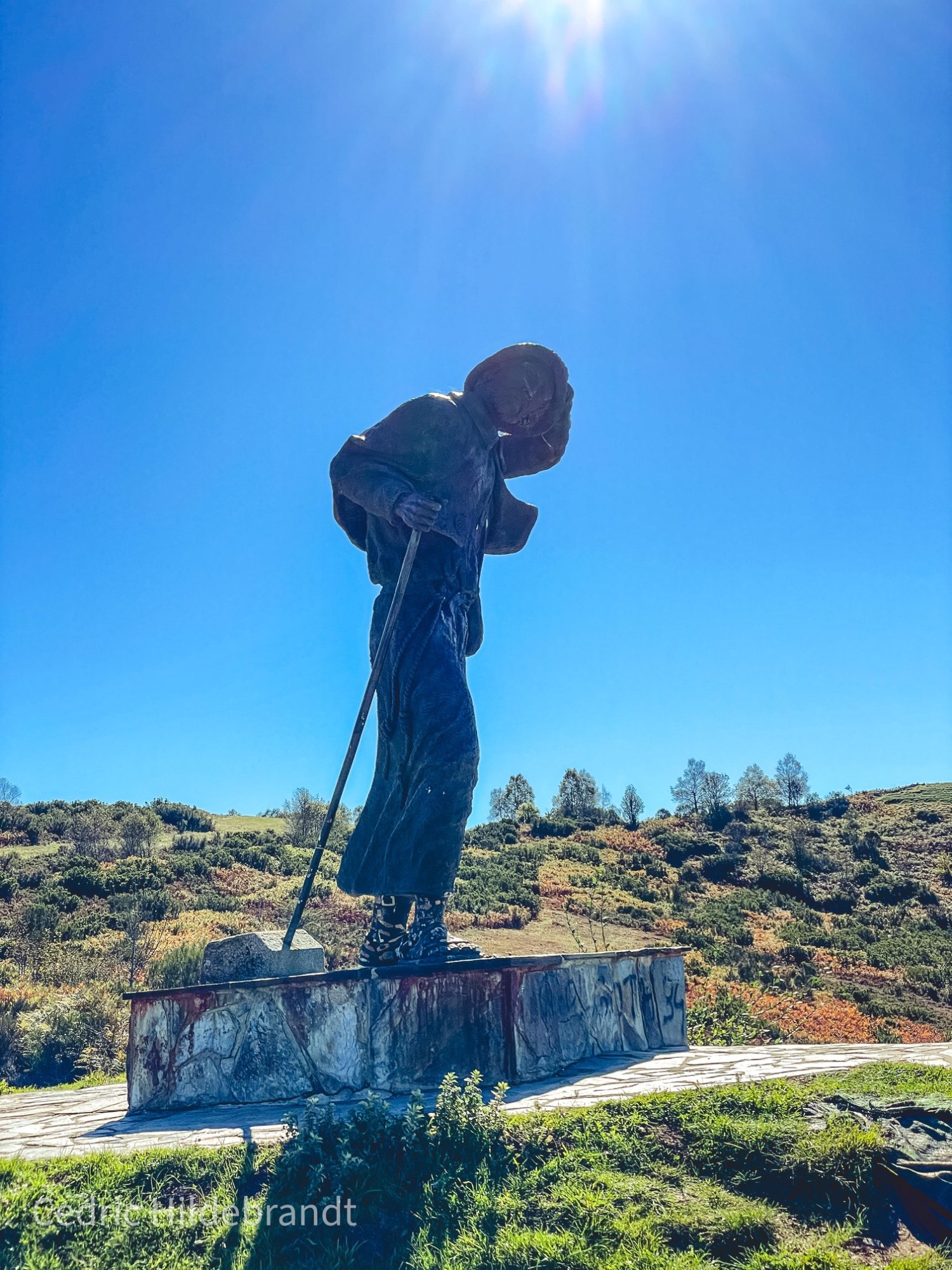
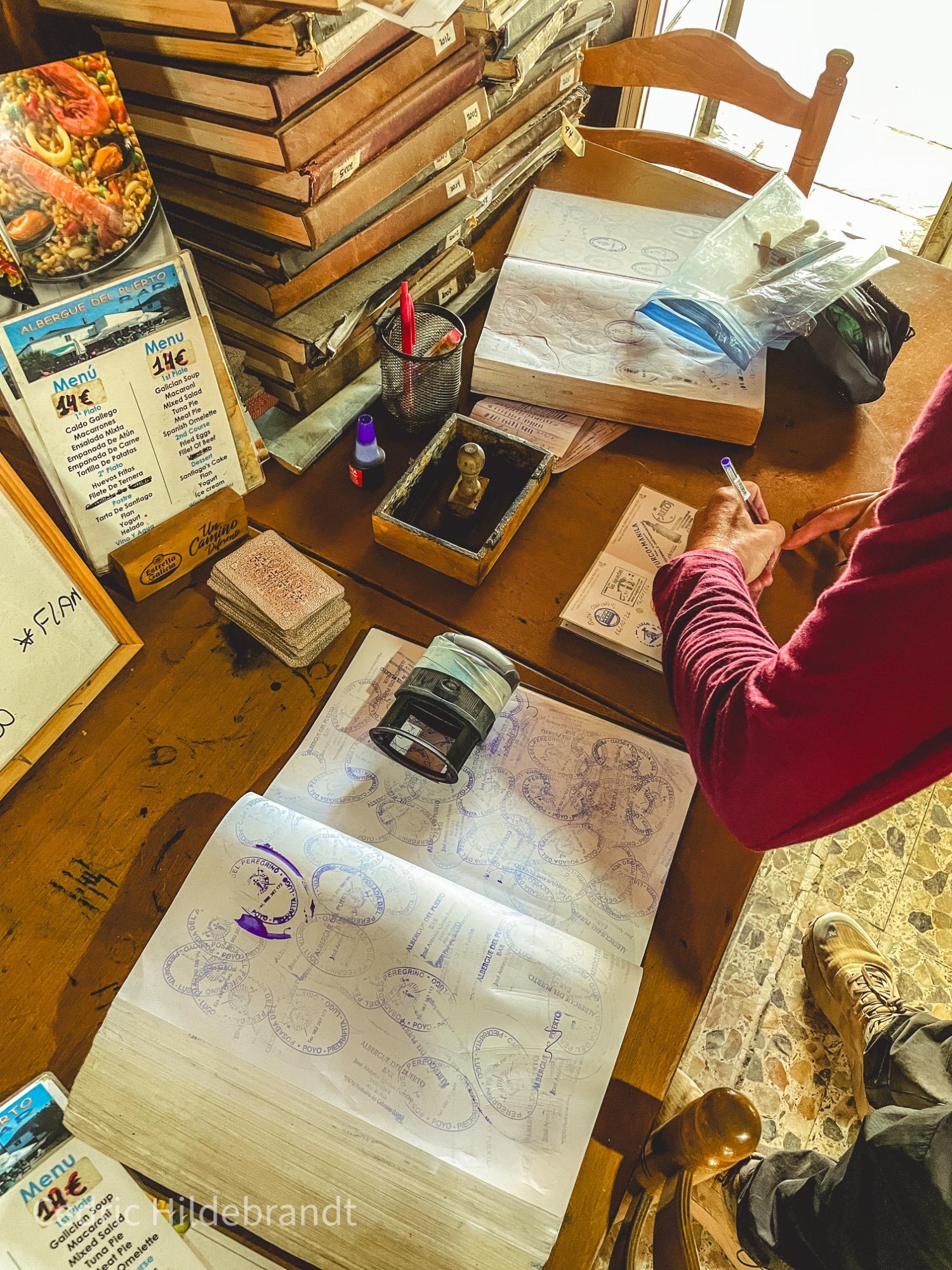
Around 2 pm I reached the summit: O Cebreiro, a mountain village at about 1,300 metres. It is the first village in Galicia on the Camino Francés and is known for its thatched round houses, the pallozas, and the small church of Santa María la Real, whose origins go back to the 9th century. Up here I also saw for the first time other pilgrims getting their pilgrim passports stamped. The passport is called a credencial. To get the Compostela certificate in Santiago, you have to cover the last 100 kilometres on foot or the last 200 kilometres by bike and collect at least two stamps a day. Before that, stamps are optional.
On the summit car park there was also a lot going on. A remake of the Italian Camino film was being shot there, this time in Spanish. The original is called "Buen Camino". In it, the comedian Checco Zalone, a rich heir, sets off on the Camino to find his daughter, at first even in a Ferrari. With more than 70 million euros at the box office, it is the highest-grossing film in Italian cinema history, and the Spanish version is set to be called "Un camino muy padre". Six weeks of shooting were ahead, in three different locations. There was a catering truck up there, unfortunately not for me.
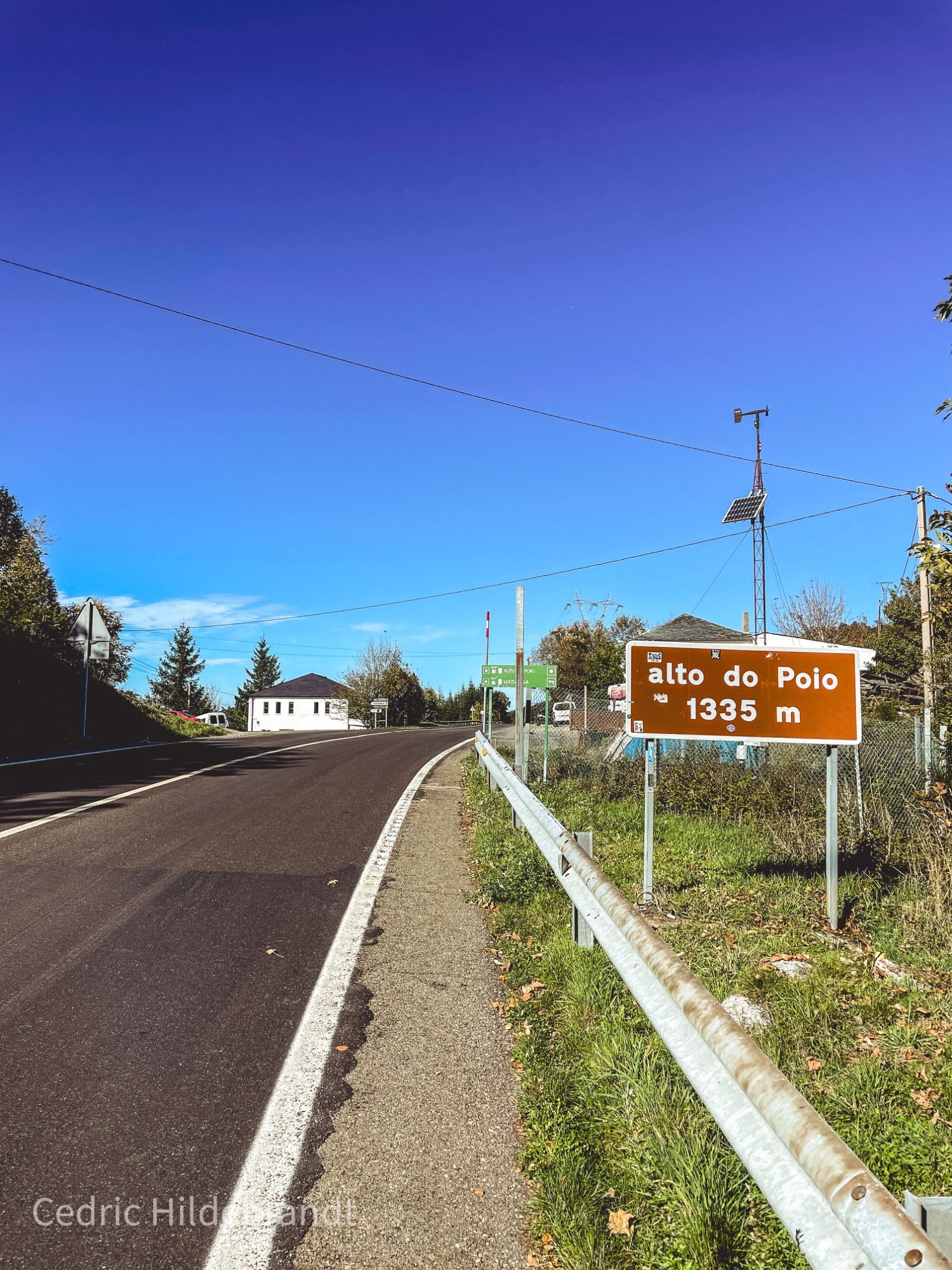
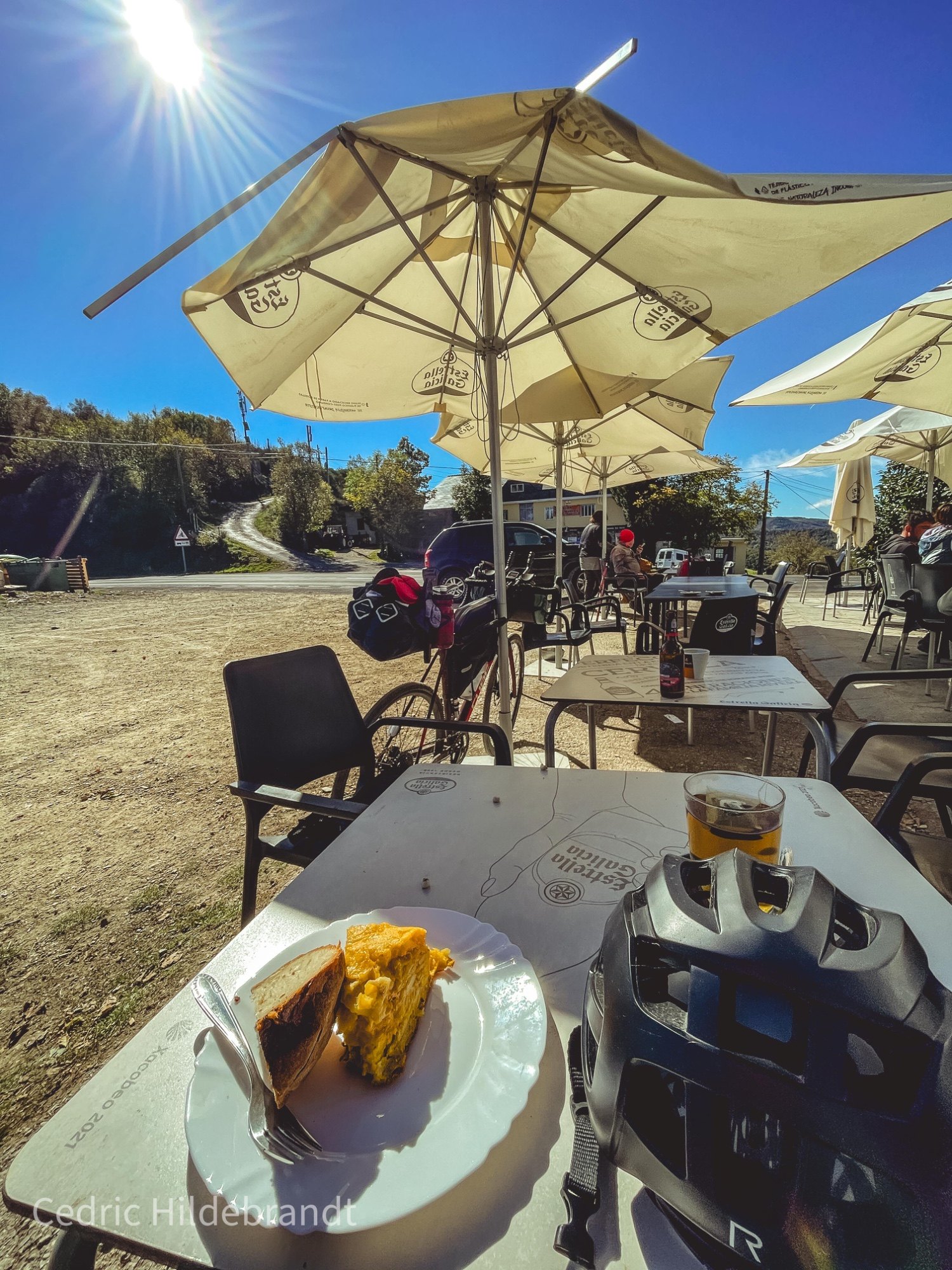
About nine kilometres further on, in O Poio, I stopped at a hut, had a tortilla de patata and a tea. At 1,337 metres, the Alto do Poio is the highest point of the Camino in Galicia, and so also the highest point of my day.
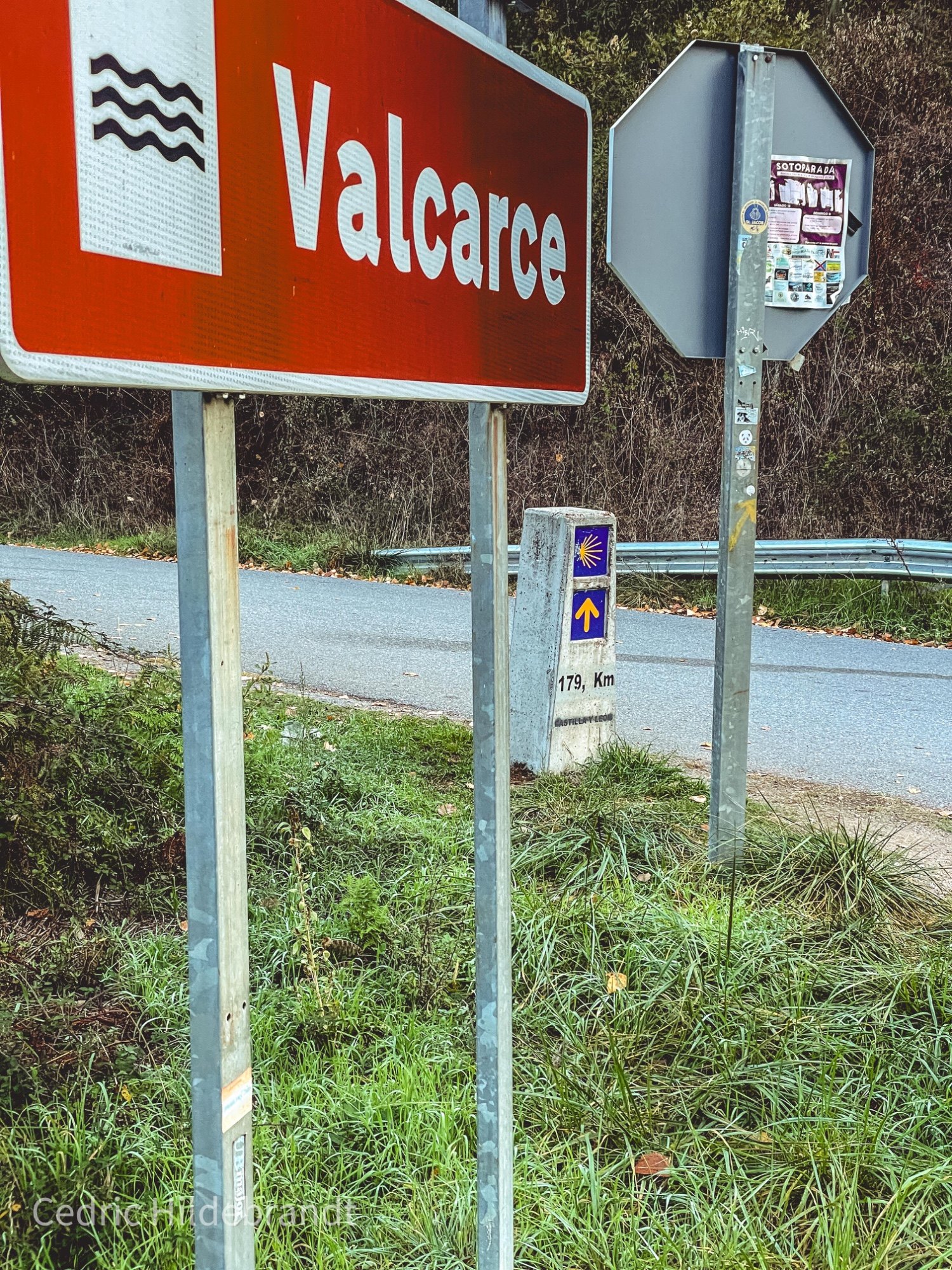
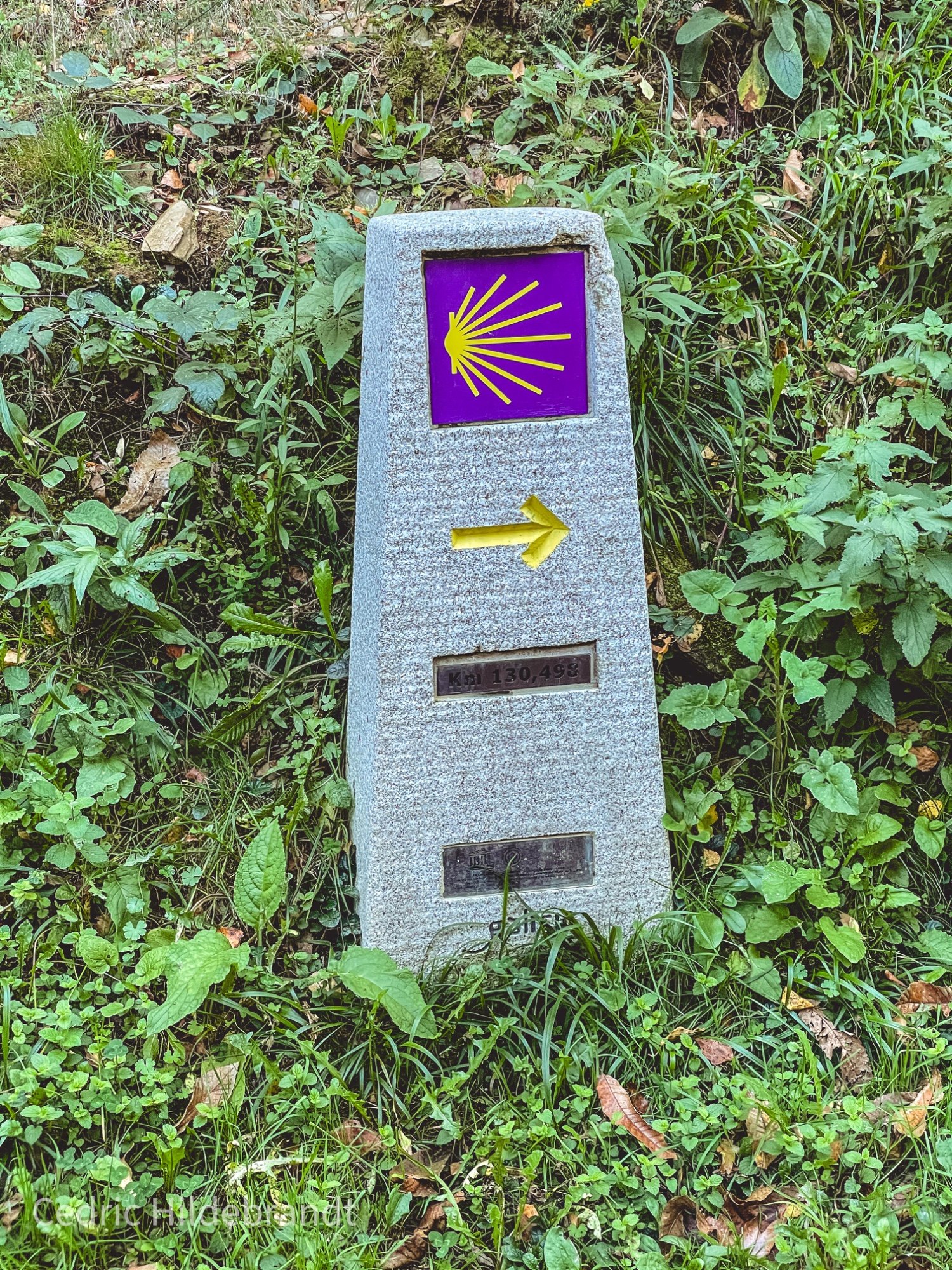
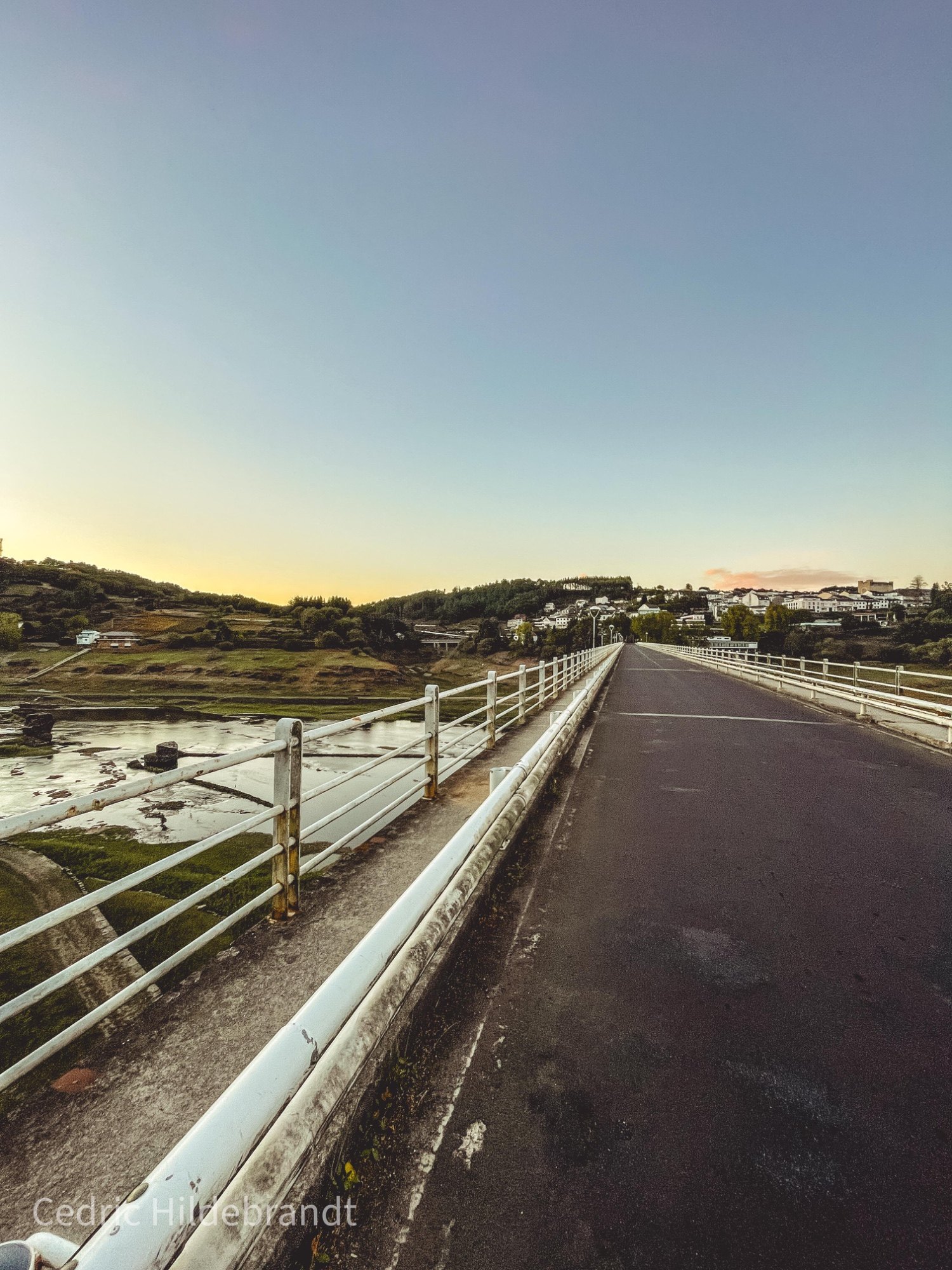
In the afternoon I then saw a marker: 130 kilometres to Santiago. Over the day more and more pilgrims had appeared: the closer you get to Santiago, the busier the Camino gets. That's also because many people only start in Sarria, a little over 100 kilometres from Santiago. In 2025, with around 162,000 pilgrims, roughly a third of the total, it was the most popular starting point. I rolled on for a good while, and it finally went gently downhill all the way to Portomarín. About 20 minutes before arriving I saw two women who were still on the road. The sun was just setting and it was slowly getting cold again. That's when I asked myself how it must feel to be on foot with that much distance still ahead of you. Some people also have their backpack transported. Then you have to reach your destination in the evening, otherwise you don't have your clothes at all.
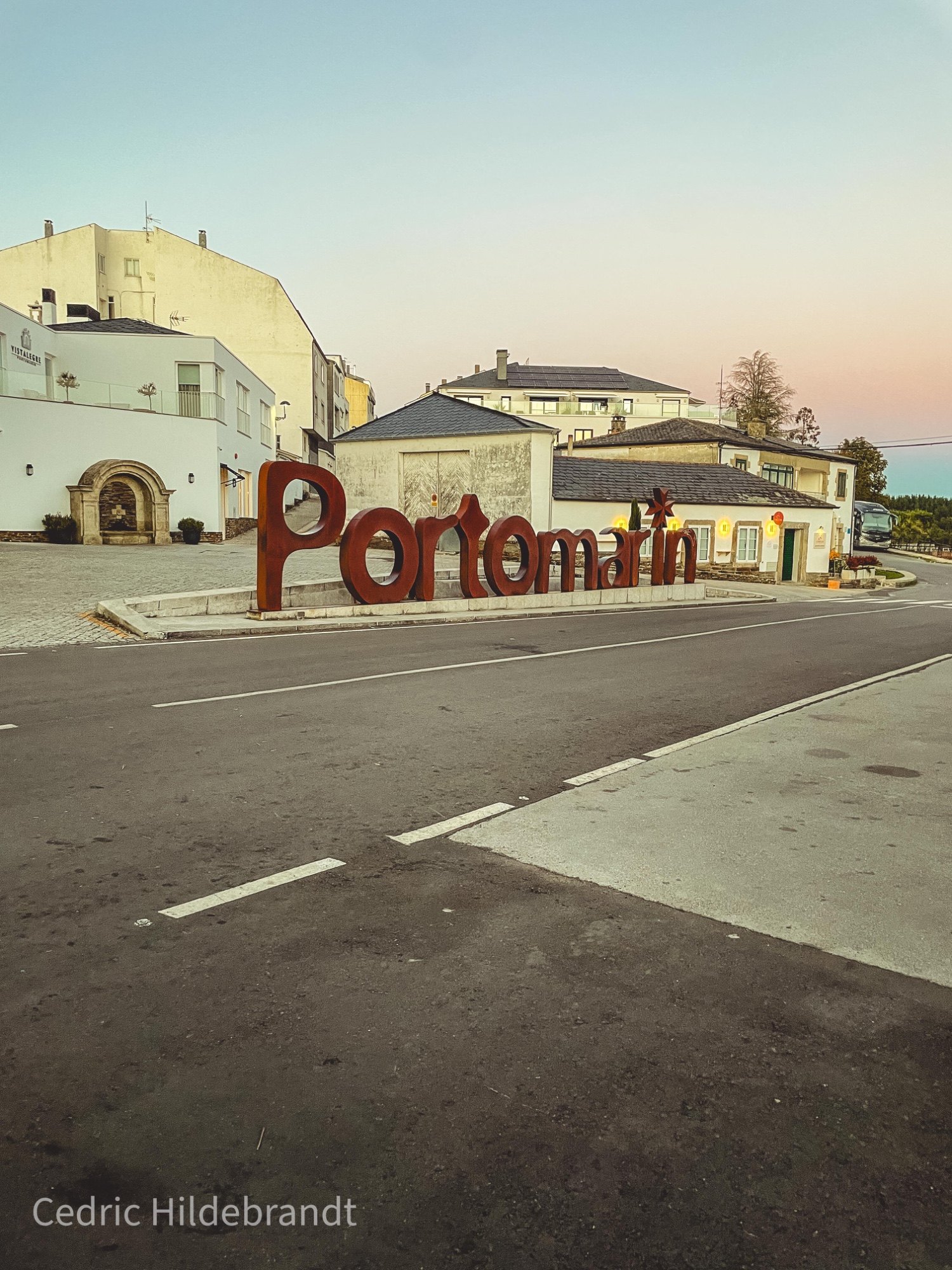
By the way, today's Portomarín is no longer in its original place: the old village was flooded in the 1960s for a reservoir and rebuilt higher up the slope. When I arrived in Portomarín I went straight to the first hostel. The woman there told me that unfortunately there was no room left. She then called a friend and I rode to the next hostel, a bit further up the street. I checked in there and took my room, or rather my bed. I popped quickly into the supermarket, got some pasta, cooked it in the kitchen and then fell into bed. Today was very exhausting and definitely pushed me hard.
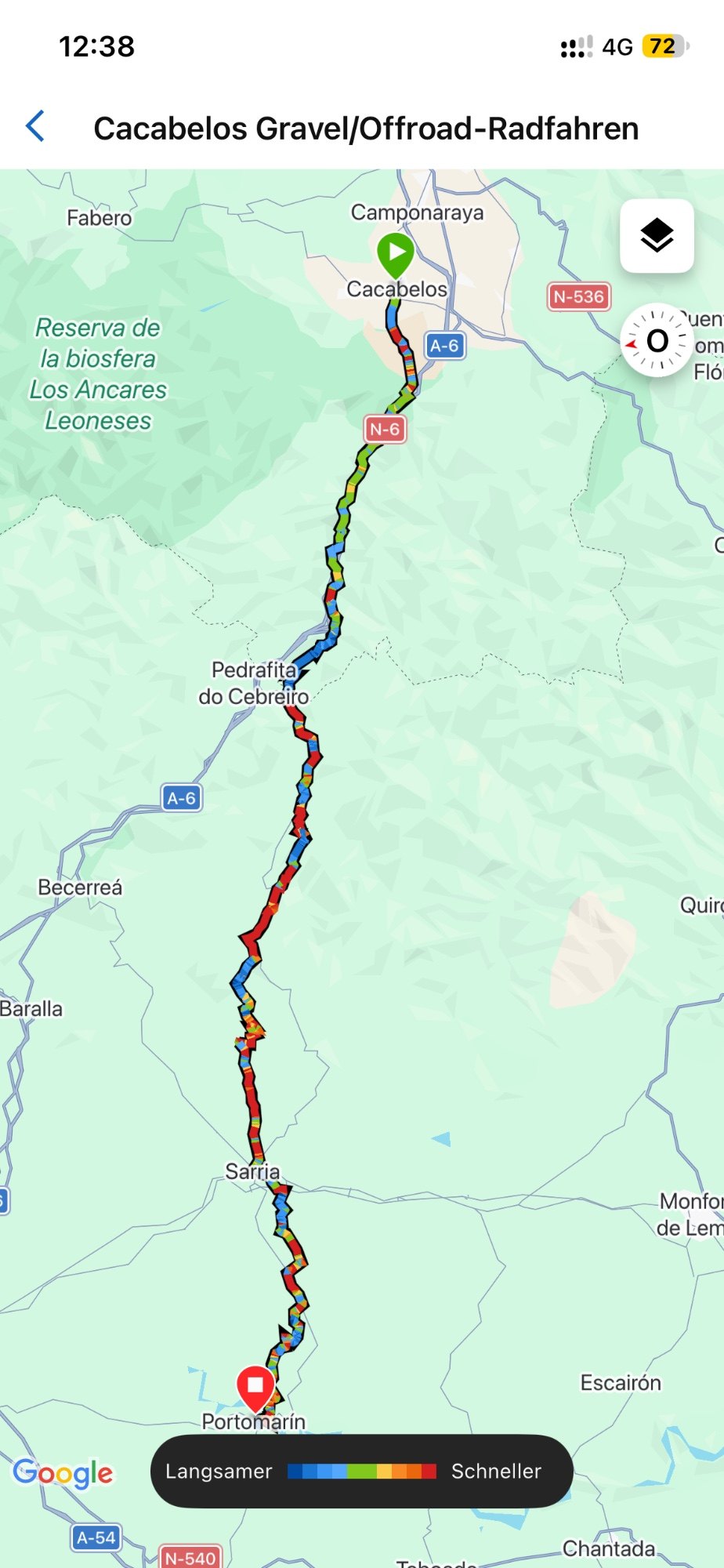
🚴 99.35 km
⏱️ 6:54 h total time
⛰️ 1,800 m elevation gain
⚡ Avg. 14.4 km/h

Comments
No comments yet — be the first to write one!