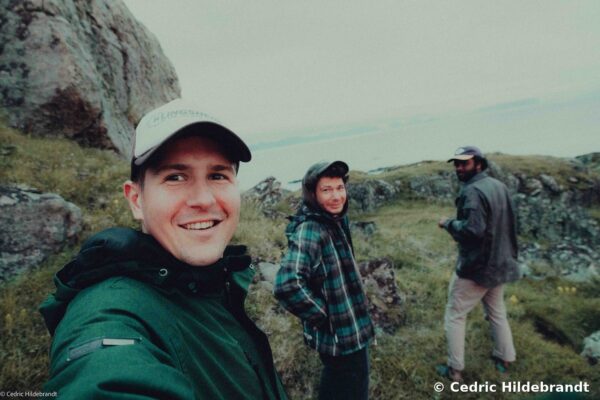
On Litløy… a small island near the Lofoten. No Cars, No Shops, No Stress.
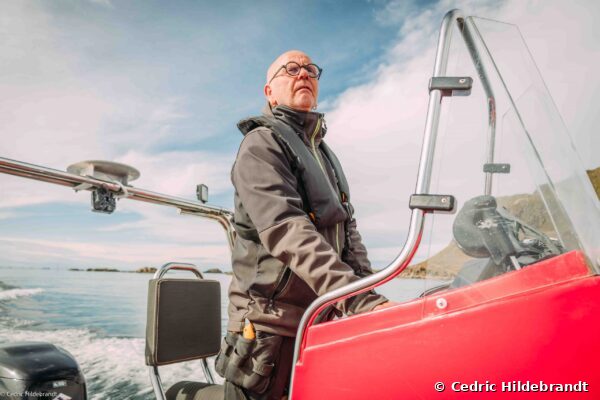
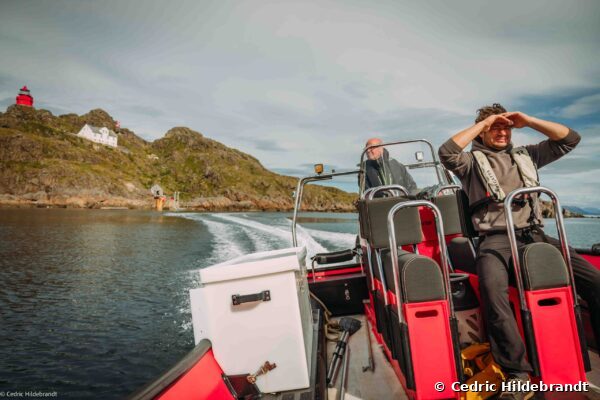
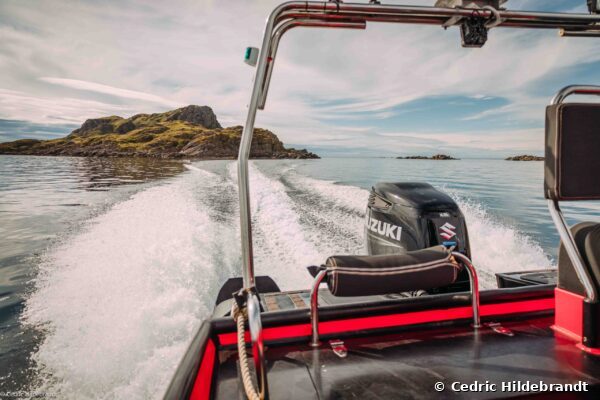
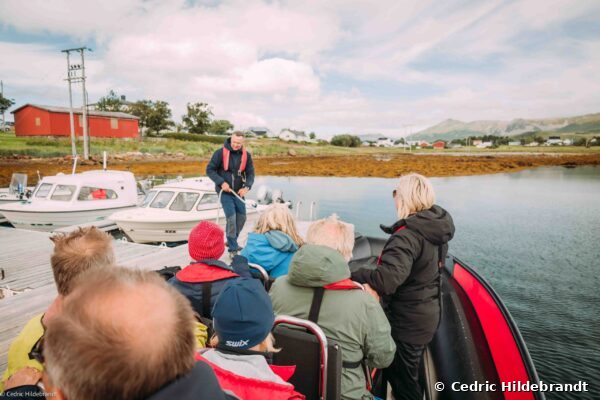
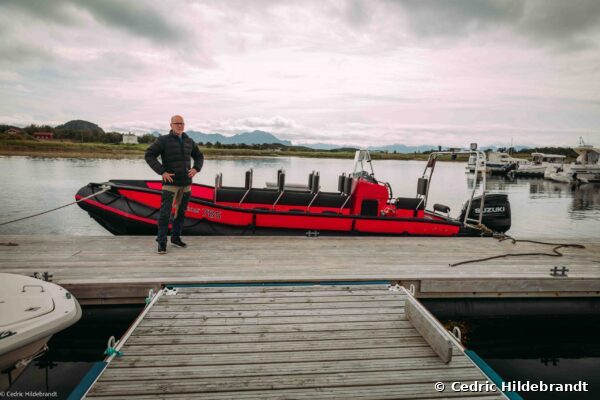
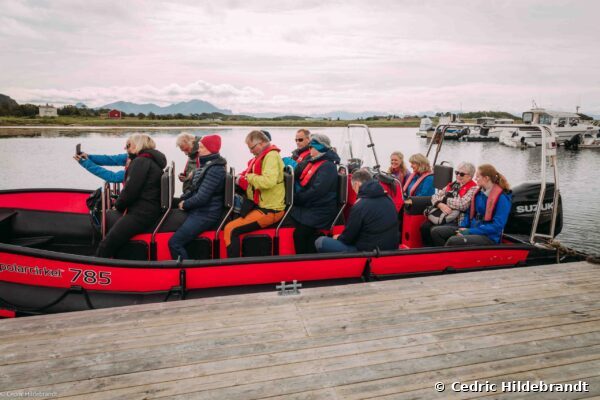
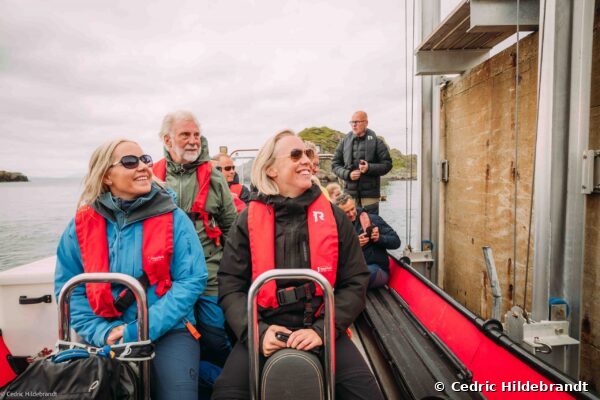
That I’d ever, on my trip, take my cases off and then have them transported to accommodation you can only reach by boat — I wouldn’t have imagined that either! Elena told me the boat is specially built and sturdy enough that even smaller ice floes don’t bother it. In winter things get pretty rough here… But today, luckily, it was 20 degrees and there were no ice floes either… so all relaxed! Of course I’d looked at the island on Google Maps, and I’d immediately wondered how long it takes to get there by boat… on the map it looked like a short crossing. In reality, though, we rode for about 15 minutes. And not slowly! I was glad I’d decided to leave my luggage in the metal cases… because the cases were flying back and forth up in the bow!
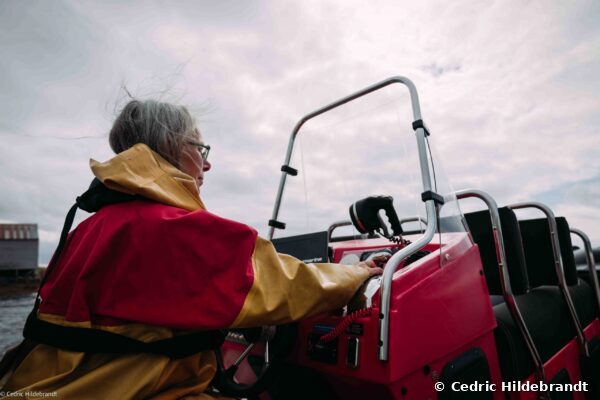
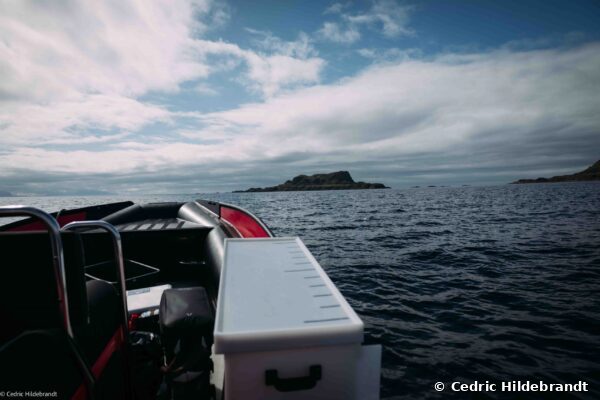
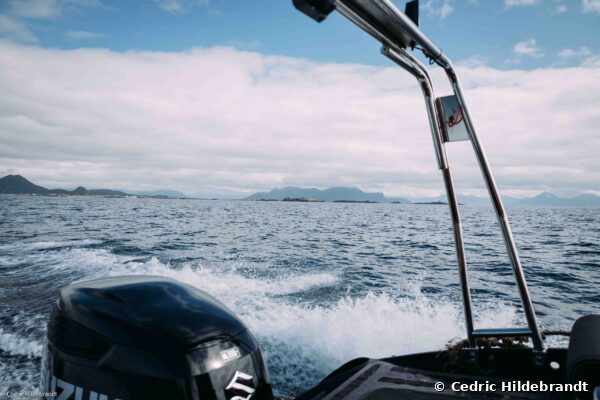
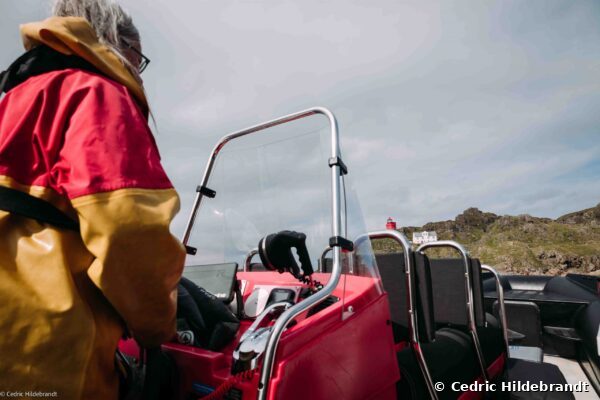
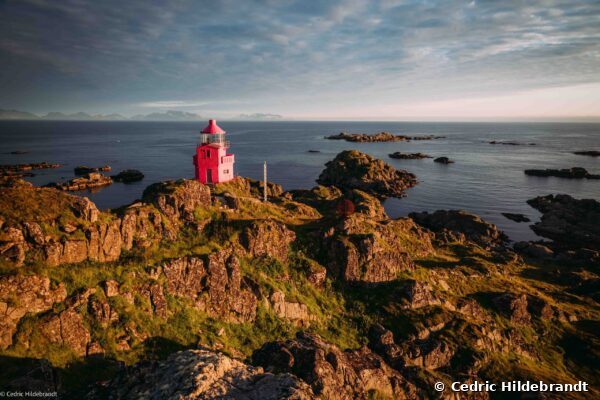
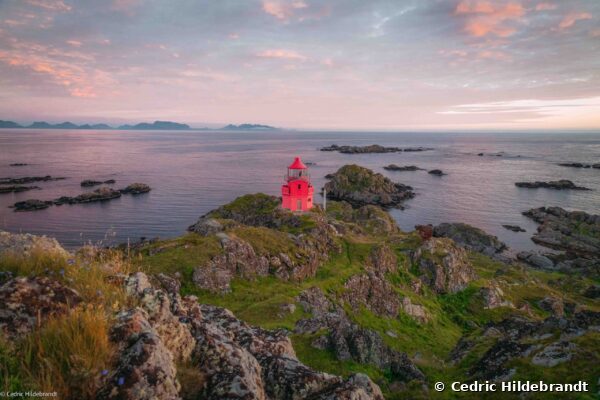
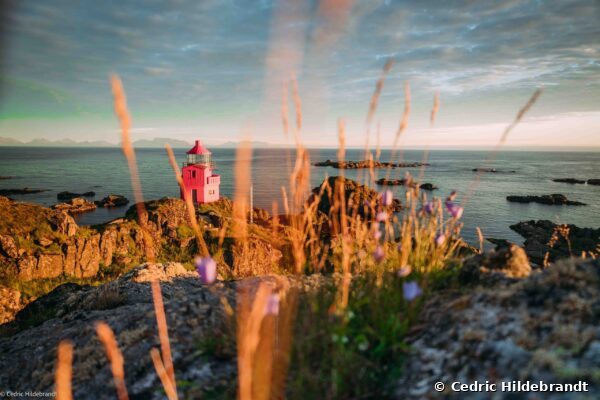
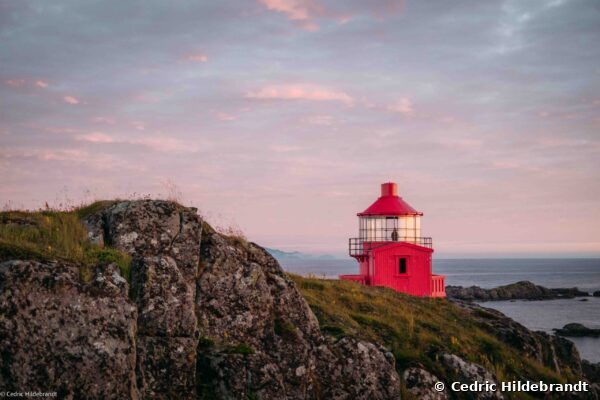
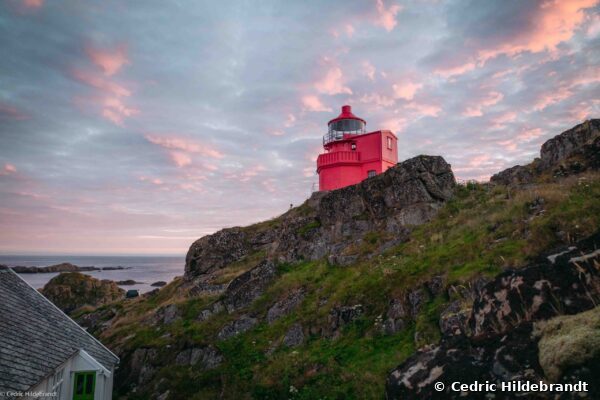
From a distance you could now see the island of Litløy! The island seemed rather bigger than on the map! Every now and then we stopped briefly and Elena told me a little about the island’s history! In the old days, a few fishing families had lived and worked on Litløy. Next to the island of Litløy there’s another, larger island that practically belonged with it back then! There used to be a small village there with a pub, a restaurant and even a prison — but with only one cell! So a whole life played out pretty much out at sea. But then, back in the day, as fishing and the infrastructure on the mainland kept getting better, the families had to and wanted to move to the town. In part the move was even supported, or paid for, by the town. If I remember rightly, only a few people then still lived there, operating the lighthouse. At some point the lighthouse was switched off and, right next to it, an LED light with solar cells was set up. Around that time, Elena then bought the island with a big vision. She wants to build a hotel and a restaurant there. All under the motto: No Cars, no Shops, no Stress! In the more distant future a sauna is also to be built down by the sea. The whole island, lighthouse included, is then to become an event location. Currently there are two rooms in the main house that are used as a hotel. In future, though, the lighthouse is to be converted into somewhere to stay overnight!
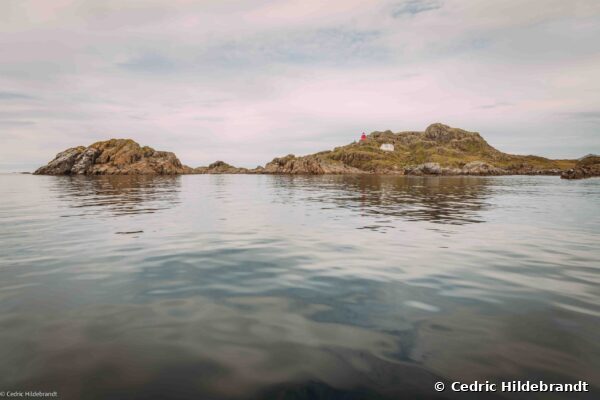
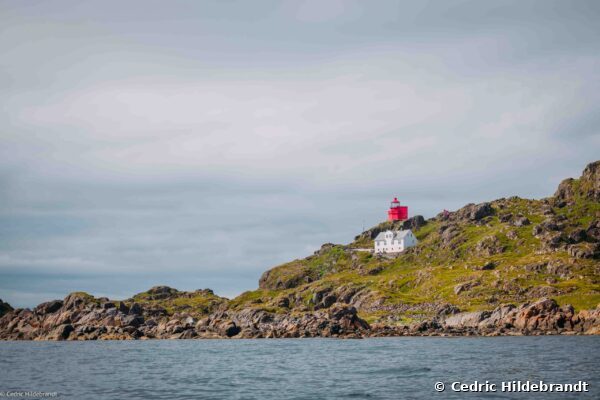
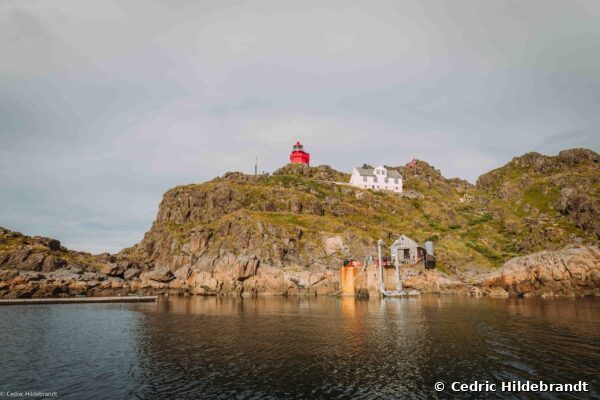
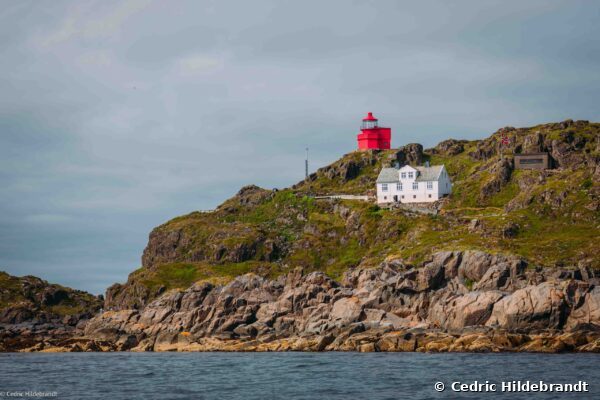
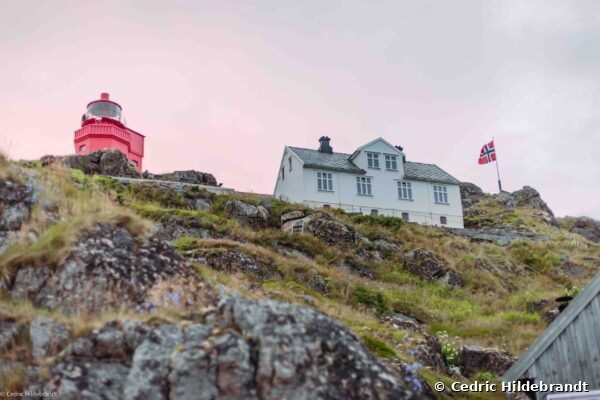
It was breathtaking to ride through the little rocks over to the big island, to the jetty. However, we didn’t stop at the jetty but parked on a boat lift that raised the whole boat about 2 m and brought it up to the height of a small platform. The reason for all this is that in winter or during storms the waves get so high that Elena had by now already „lost“ two boats, because they’d torn away from the jetty and been smashed to pieces on the rocks. Thanks to the lift, the boat is now well above the waves and separated from the sea. On the platform I was then greeted by Ari from the USA, Markus from Austria and Carina from Sweden! They’d all been on Litløy a bit longer. Ari helped in the kitchen. He came from a family that had run a few restaurants in Boston for generations. Markus is a thoroughbred craftsman and a trained carpenter. He was building a greenhouse at the time. Carina is a former designer and travels the world as a digital nomad. She helps with designing the website and, for example, the menus. Together we carried my luggage into the small so-called boathouse. There, on the upper floor, I now found my bed for the next two and a half weeks. The boathouse was fully equipped. There was just no hot water… you had to heat it in a big pot on the gas stove! Ari showed me around the island a bit and explained the daily routines. That included, for example, starting the power generator in the morning. It then charged batteries that supplied the island’s electricity! The generator was, I think, an old tractor engine that, somehow home-built and bolted onto a pallet, now serves as a power generator. Sadly I never took a photo of it… As a German I of course immediately noticed: the whole thing is not up to code! There was at least as much oil on and next to the engine as inside it… But the thing ran — very loudly, admittedly — supplied the island with electricity and even heated the boathouse. The exhaust pipe runs once along under the floor and back again. So you could actually call it underfloor heating. If you ignored the noise, the shaking and the diesel smell, you could stay in the boathouse during the day too… I mostly wasn’t there.
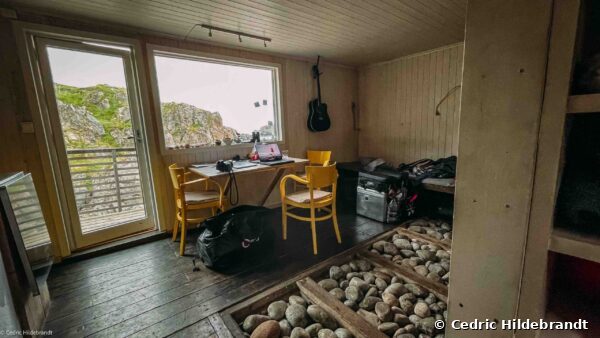
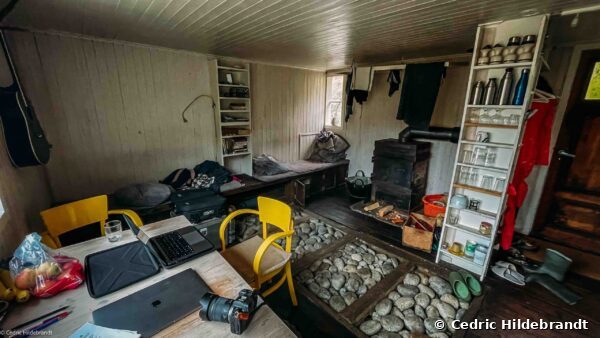
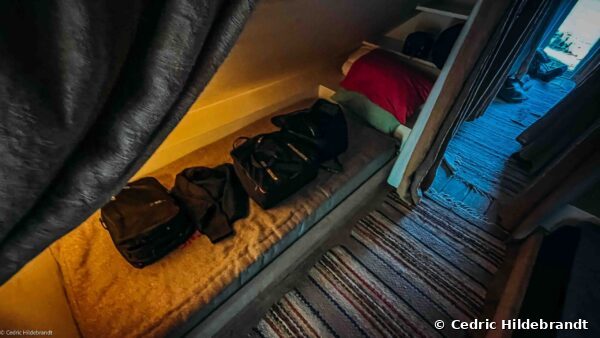
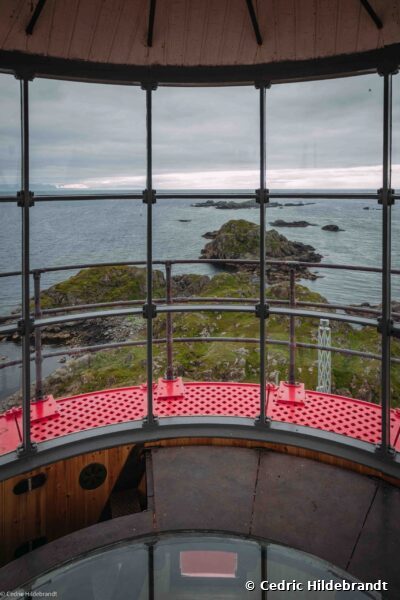
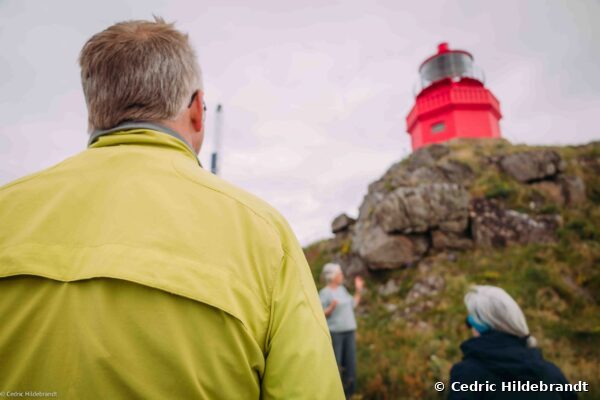
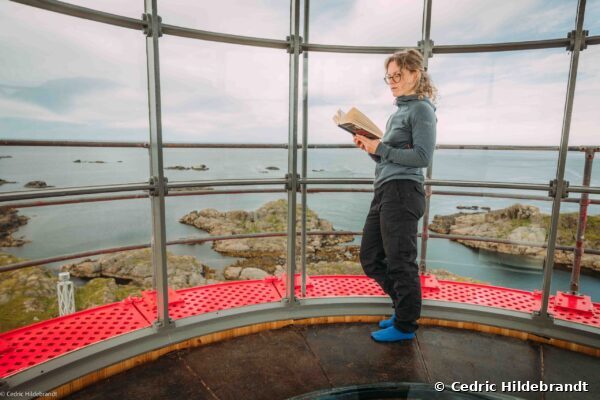
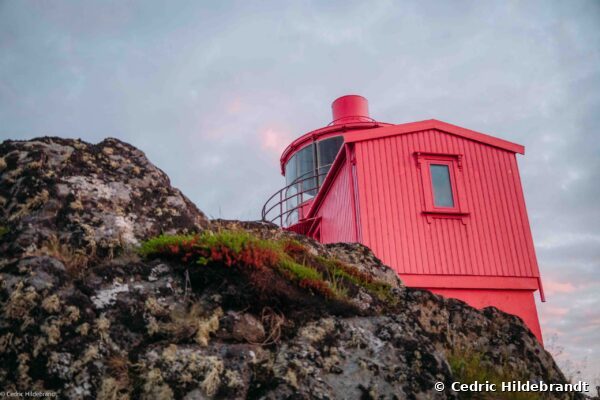
The big house on the island was the main house. That’s where the kitchen, the washing machine and the rooms were, as well as the office for the others. The previously mentioned rooms with a library for the guests were also there. Currently four guests can stay overnight there at the same time. In the kitchen Bernadette from Australia was just preparing dinner. She came to the island with her husband Jonathan for a month to get some distance from everyday life. Jonathan is a stonemason and was just finishing off a small terrace with steps and a stone wall by the house. Ari also showed me the lighthouse. From up there you had a 360-degree view over the island and the sea. That was simply amazing!
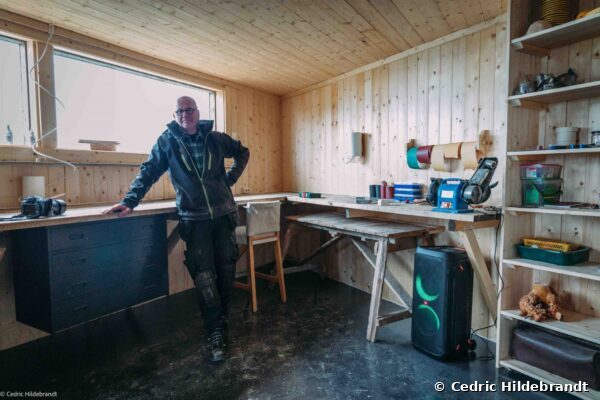
There was also a workshop. There I got to know Frode, Elena’s husband. He actually only came to the island as a roofer back then…
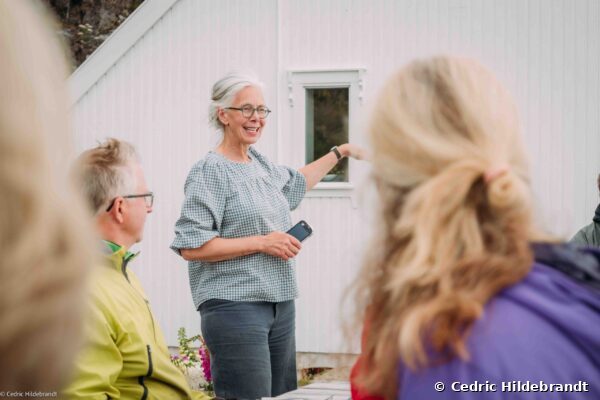
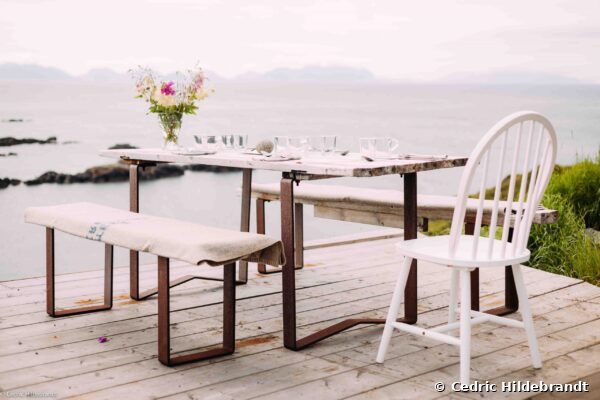
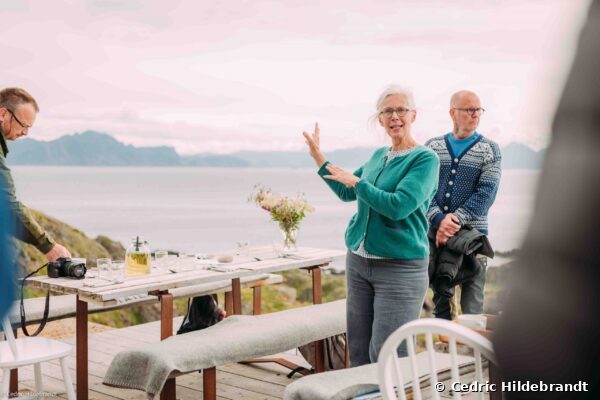
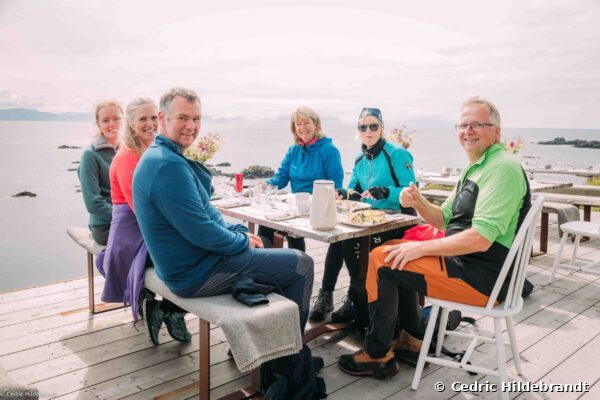
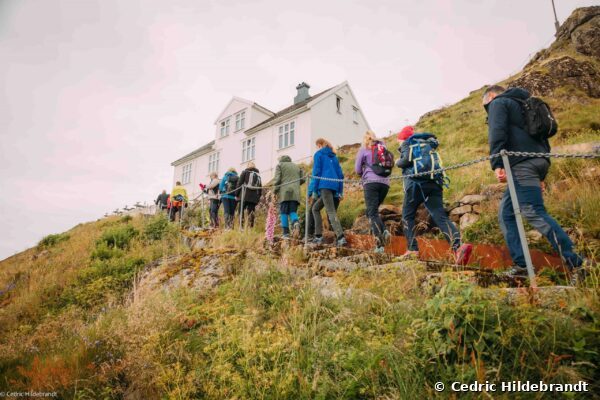
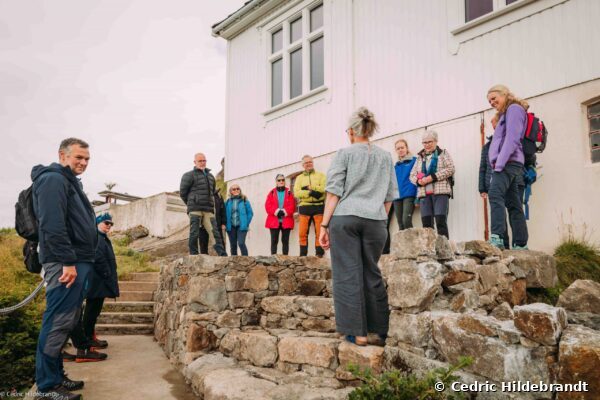
My task for the next two weeks was to produce photo and video material for the website and social media channels. There were already lots of photos of the island and the lighthouse, but not yet in summer. For the first few days I settled in a bit and Elena and I planned the content of the photos and videos. On the first Saturday I documented the day visitors’ day. Many families and lighthouse enthusiasts also come to the island just for a day trip. Elena and Frode then tell them the story of the island and the lighthouse during a tour. Afterwards they also have the chance to explore the island on their own. Since the island is virtually untouched, there are only small trodden paths, which brings you very close to that feeling of connection with nature. Before the guests leave the island again, everyone eats together outside.
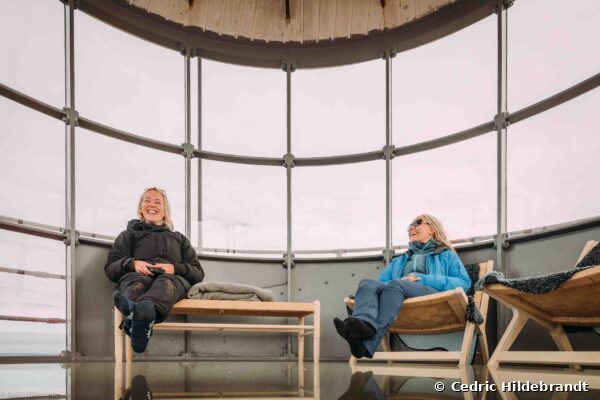
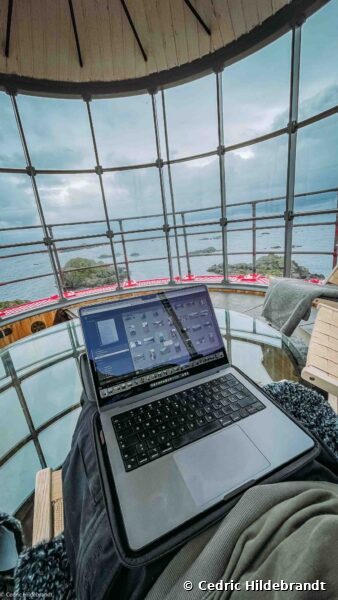
Over the next few days I then edited the material and put together a video. Sometimes in the evening I also sat up in the lighthouse…
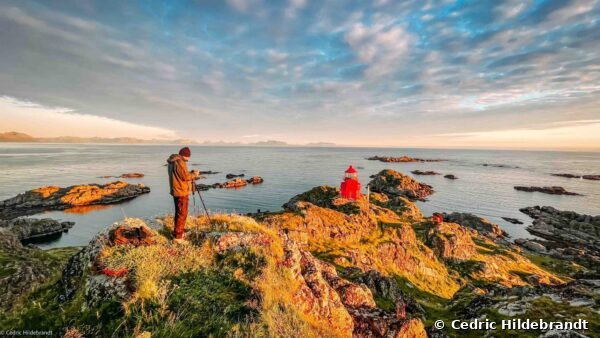
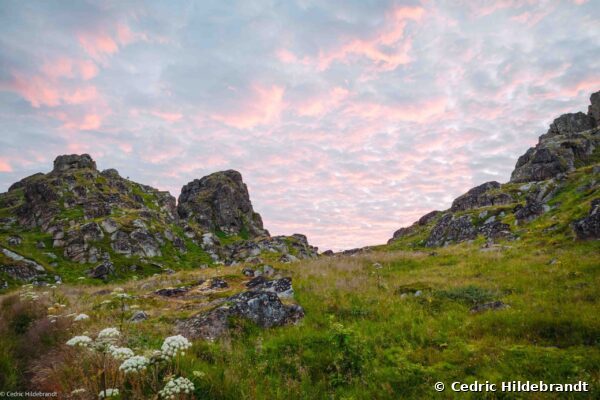
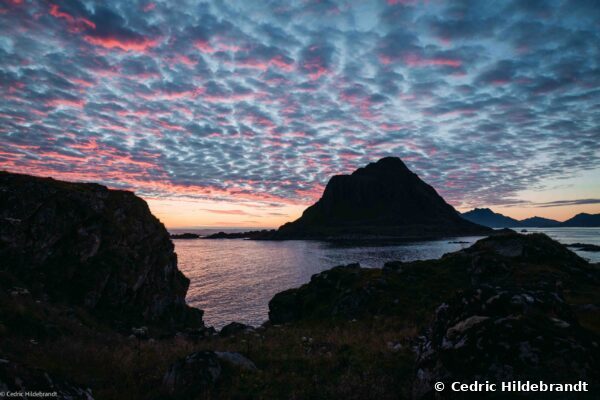
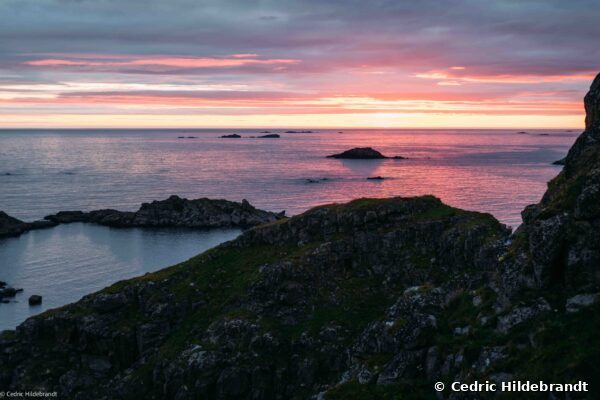
The days flew by. I used every opportunity at sunset (which was usually around 1 a.m.) to take beautiful pictures of the lighthouse and the island. Since the nature here was, as I said, untouched, I often had to walk through hip-high grass or find my own way up onto the rocks.
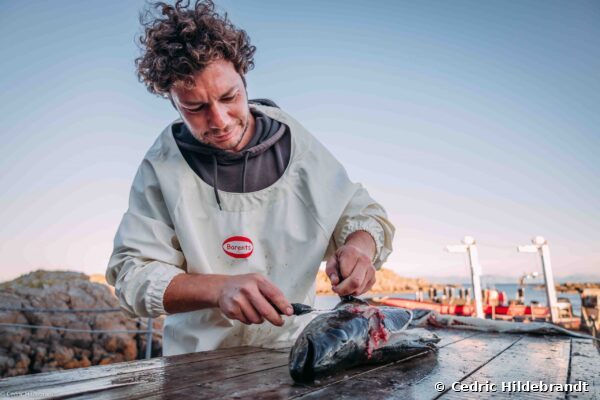
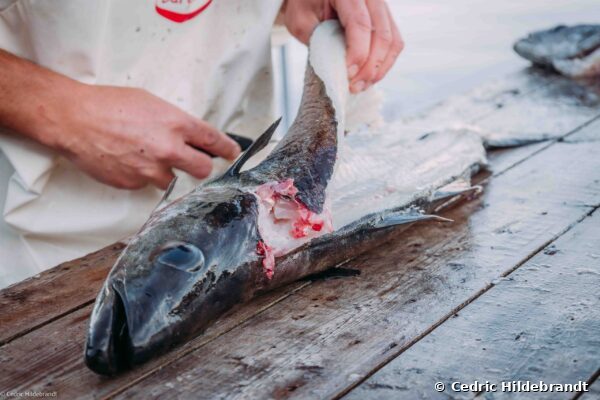
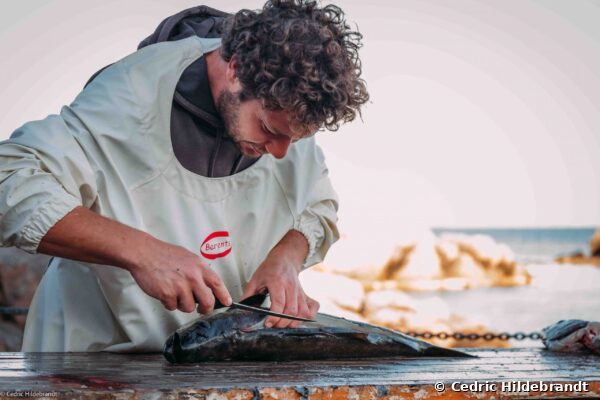
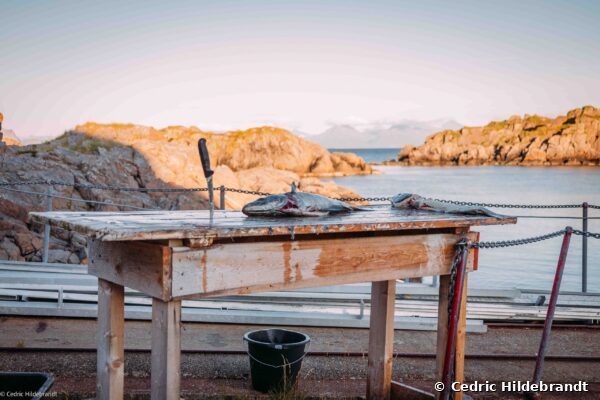
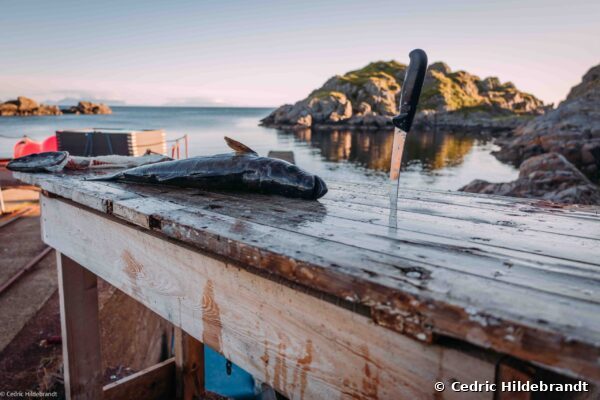
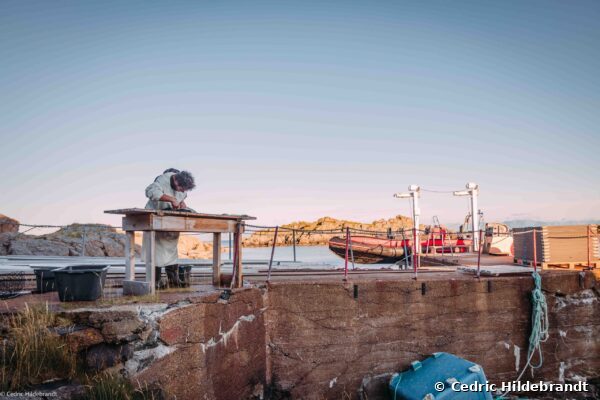
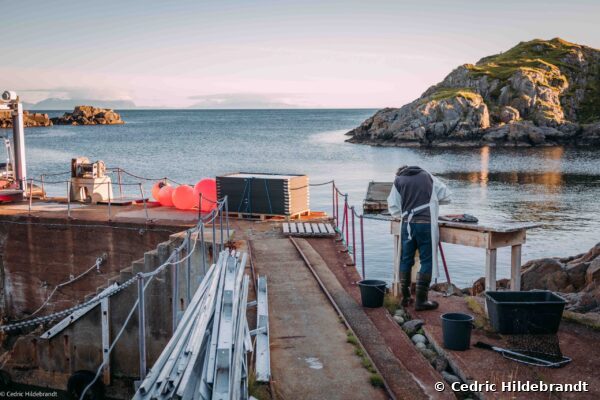
Also on my list for this year was: learning to catch and gut a fish. I’d been wondering for a while what that’s actually like and how it works. Since every fish eaten on the island is caught by hand, I could get a good insight here. I set off together with Markus. With two rods, a squared piece of wood and a landing net. You don’t need bait or any special hooks or anything here. Markus had told me that last week he’d caught two fish here with a child’s fishing rod that he could only just carry back. To get to the water we had to climb over lots of rocks… That day I unfortunately had no luck. I also lost a hook in the seaweed and we had to cut the line through… Markus, though, did have luck. A medium-sized fish bit and landed in the net. Markus grew up on a farm and was familiar with gutting and killing animals. After an hour we set off back, so that Markus still had enough time to fillet it before dinner.
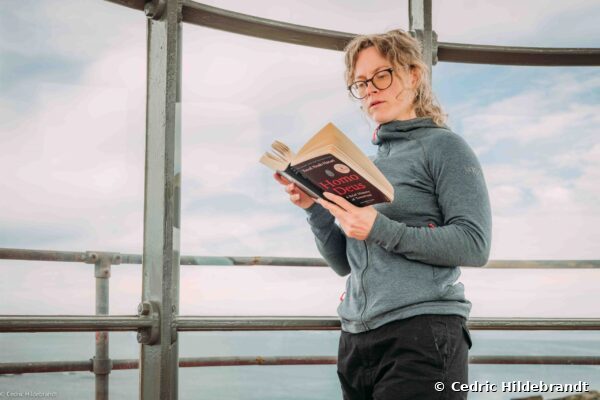
I spent the following days working through the list. Ari left a few days after I arrived, and a few days later Cathrine from Great Britain joined. With her I took a few photos up in the lighthouse. And also a short video for the website. Here you can nicely see the view from the guests’ rooms:
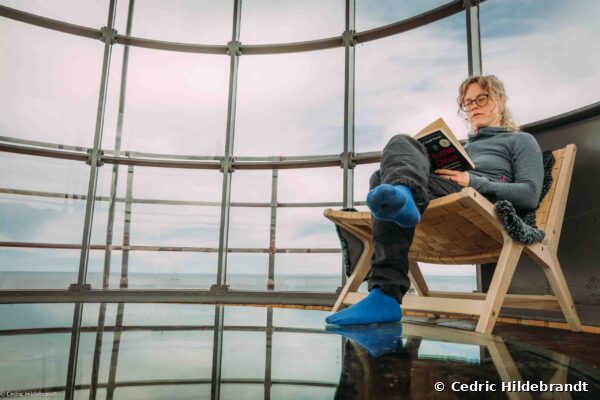
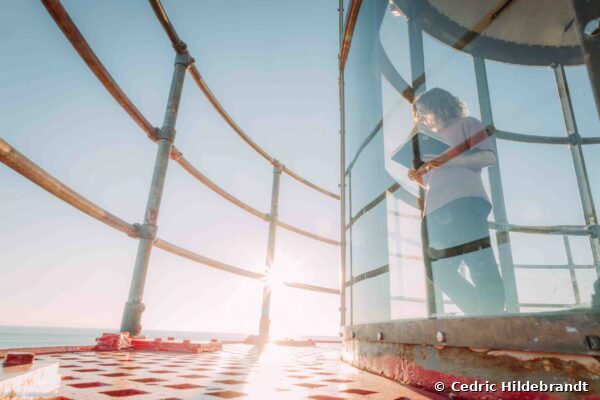
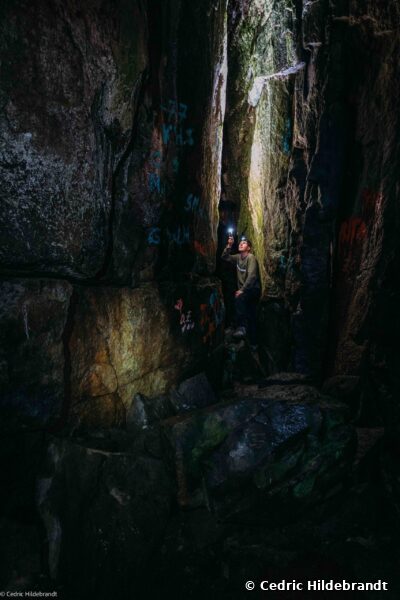
The next day we went fishing again in the afternoon. And this time it worked. No word of a lie: we were on site for 5 minutes, everyone cast the rod once and we had two fish. So for the next three days we now had enough for lunch. Now I’d caught the fish, but I couldn’t gut it. I just couldn’t bring myself to do it… Since we were back earlier than planned again, we went on a little photo safari. We also wanted to go into the island’s little cave at night, because I had a cool photo idea there! The sunset was amazing, the clouds fluffy and pink. When the weather on Litløy was good, you could even see all the way to the mountains of the Lofoten!
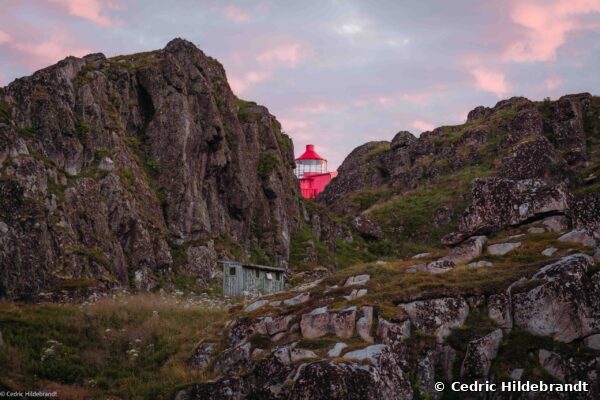
On through high grass, past the little beach, we went to the cave. The cave reaches about 20 metres into the mountain. There you can still find wall paintings (I’d rather call it graffiti) by the fishermen who used to live here. With tripod and camera we climbed through the wet, slippery stones into the cave…
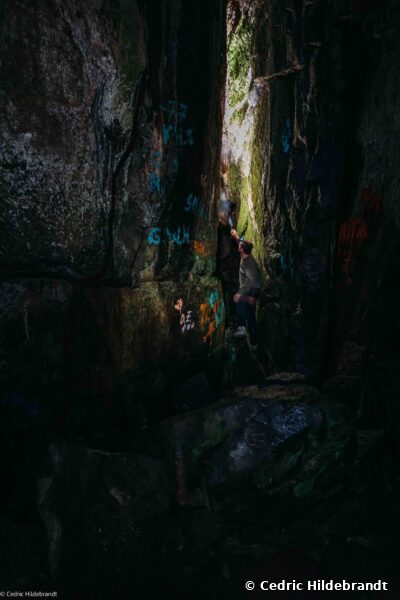
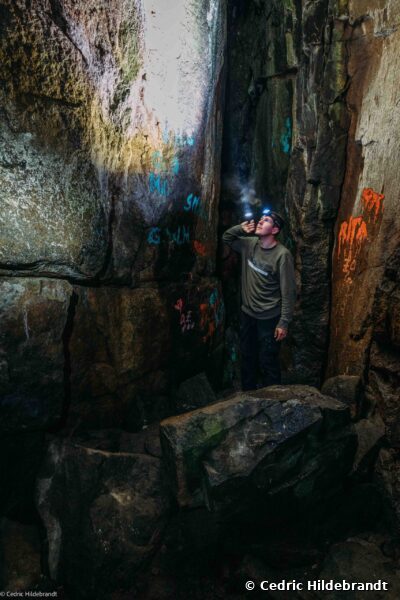
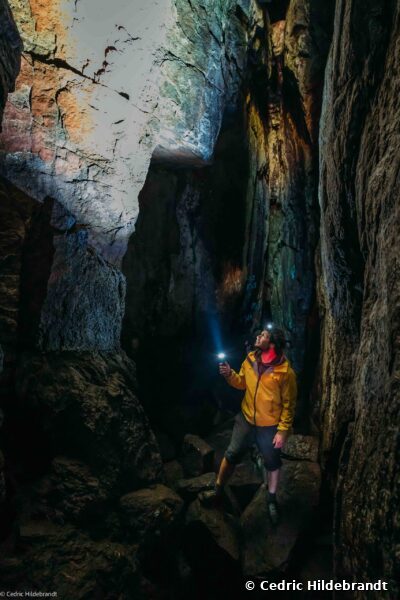
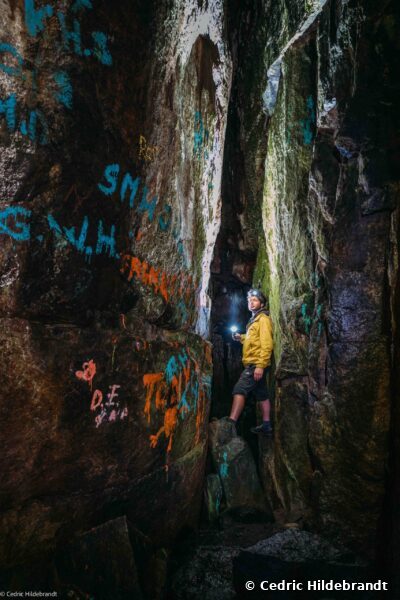
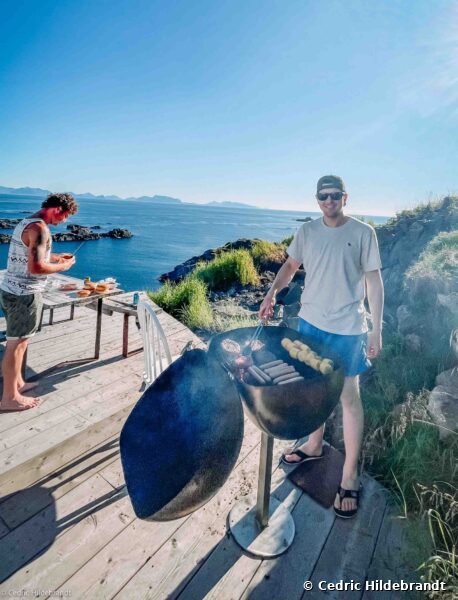
In the last few days it turned really sunny again and I paddled around the island once in the kayak, Markus also adjusted my hair length again, I got all the pictures and videos ready for handover, and to round it off we all barbecued together on the terrace again:
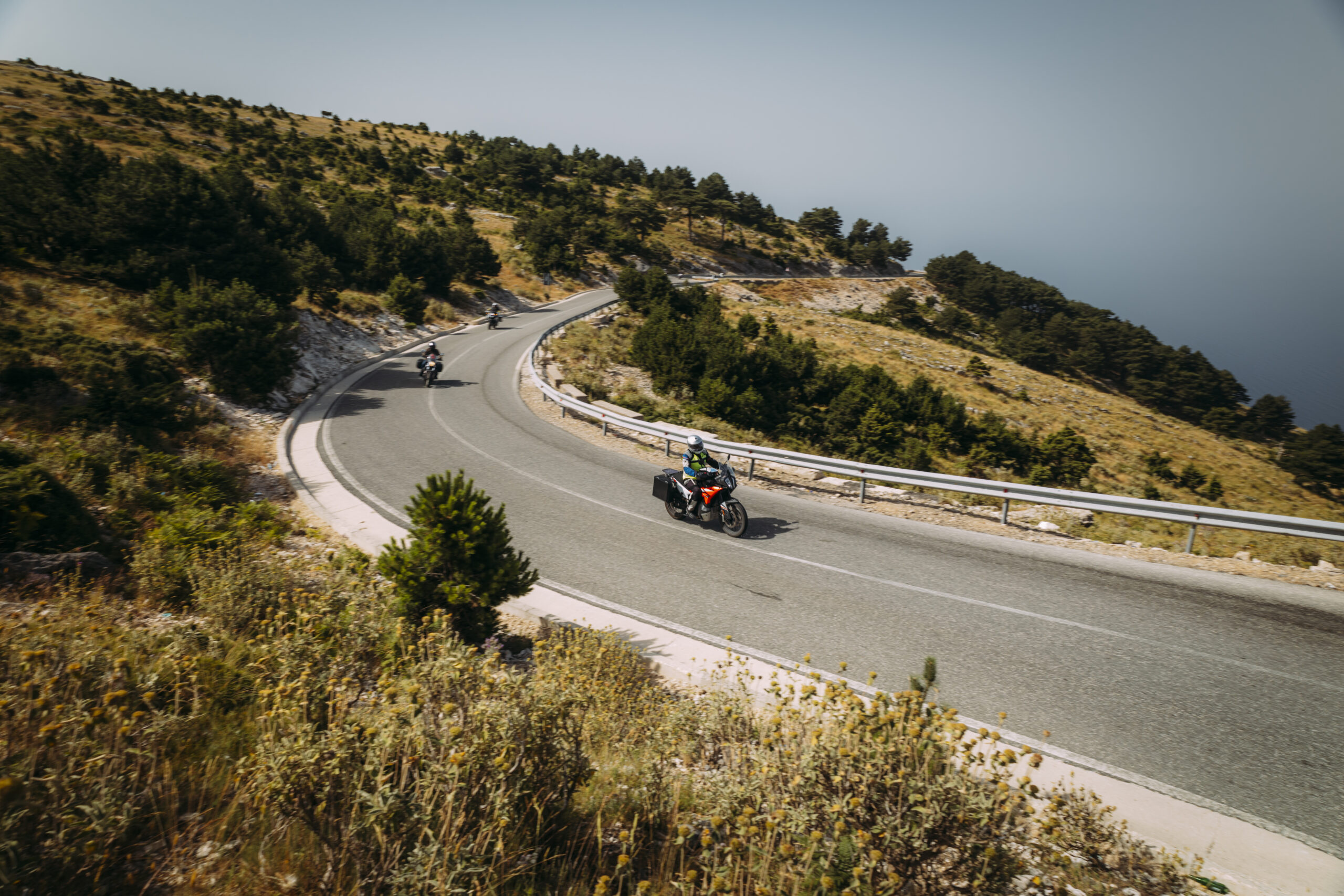
The next morning we said goodbye to one another and I packed my luggage back onto the boat. Markus was leaving the island today too. Frode took us on one extra lap around the island to finish. And we could finally see the eagle that has its nest on the island too. Absolutely breathtaking! Once at the harbour I unpacked my motorbike again and got ready to go. I said goodbye to Markus and Frode and started the engine…